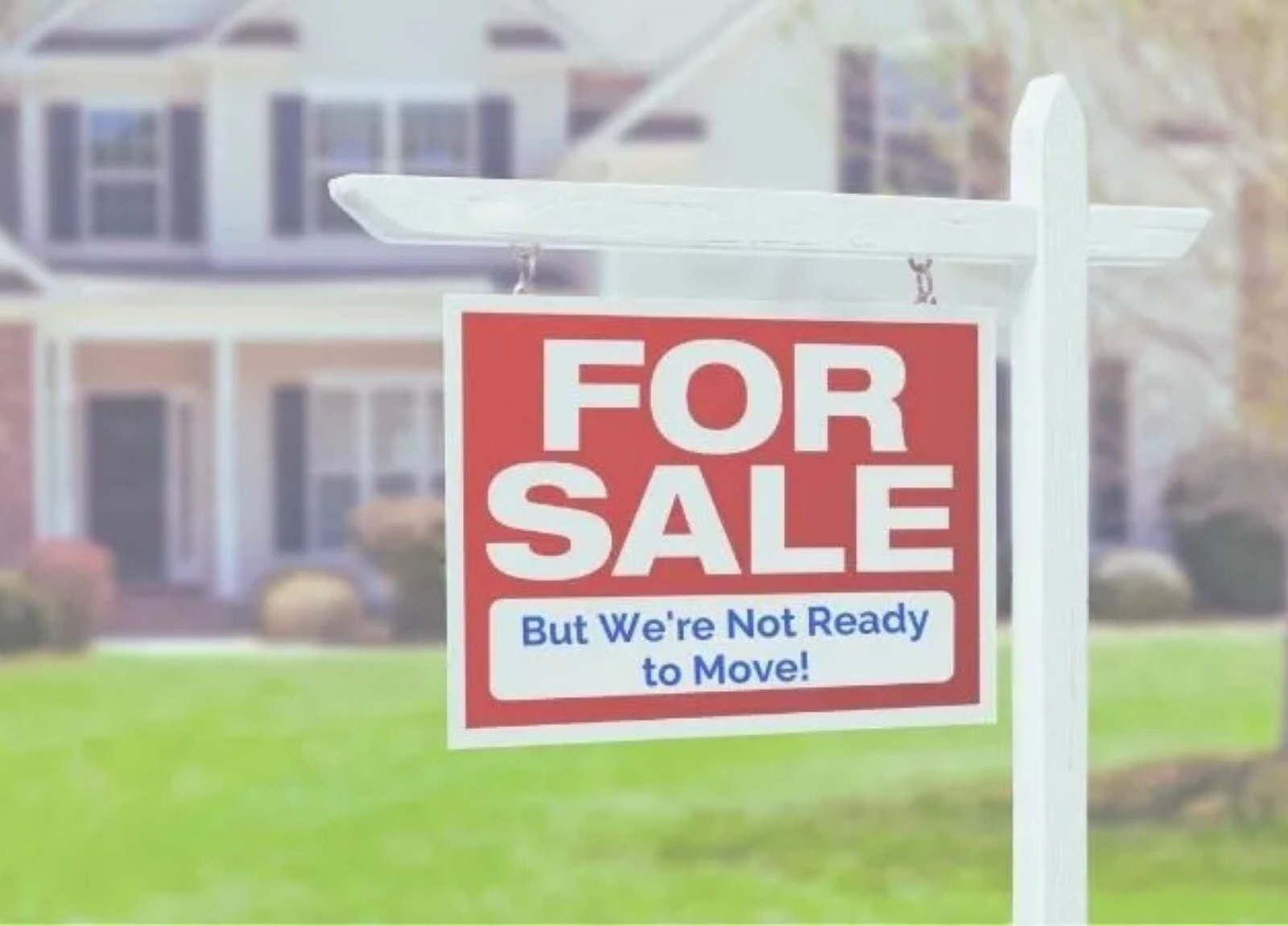
By Morton’s Realty – Your Trusted South Carolina Real Estate Experts
Selling your home can be easy, but sometimes it comes with one big challenge: where will you go next? Whether you’re waiting for your new home to close, relocating, or simply need more time to move out, a rent-back agreement—also known as a leaseback—might be the perfect solution.
At Morton’s Realty, we’ve helped countless South Carolina homeowners navigate this situation smoothly. If you’ve ever wondered, “Can I rent my home after I sell it?”, the answer is yes—under the right conditions. Here’s everything you need to know about how leasebacks work, what to expect, and how to decide if it’s right for you.
🔄 What Is a Rent-Back or Leaseback Agreement?
A rent-back agreement allows a home seller to remain in their home after closing by renting it from the buyer for a set period. Essentially, ownership transfers to the buyer, but the seller becomes a temporary tenant.
This arrangement benefits both parties in certain situations. The seller gains extra time to move out comfortably, and the buyer earns rental income (or goodwill) right after closing.
Typical rent-back periods range from a few days to 60 days, though longer leasebacks can be negotiated if both parties agree.
📅 Why Sellers Choose Rent-Back Agreements
In South Carolina’s competitive real estate market, timing is everything. Sellers often turn to rent-backs for a few key reasons:
-
Buying Another Home:
You’ve sold your current home but your new one isn’t ready yet—whether it’s still under construction, under contract, or delayed by closing dates. -
Easier Moving Timeline:
Moving is stressful! A rent-back gives you breathing room to pack, clean, and transition at your own pace. -
Avoid Temporary Housing:
Without a rent-back, you might have to move twice—into short-term housing, then again into your next home. This arrangement saves time, money, and energy. -
Hot Seller’s Market Advantage:
In a strong market, some buyers are more flexible with rent-backs to make their offers more appealing.
🏠 How Rent-Back Agreements Work Step by Step
Here’s a look at how the rent-back process typically unfolds in a real estate transaction:
Step 1: Negotiate Terms Before Closing
If you’re considering staying after closing, it must be negotiated and included in your purchase agreement or as a separate leaseback addendum. Terms include:
-
The rental period (number of days or weeks after closing)
-
The daily or monthly rent amount
-
Any security deposit
-
Responsibility for utilities, maintenance, and insurance
Step 2: Close on the Sale
Once both parties agree, the home sale proceeds as usual. Ownership officially transfers to the buyer, and the seller’s proceeds are disbursed.
Step 3: Seller Stays as Tenant
After closing, the former owner (now the tenant) remains in the home for the agreed period, paying rent just like any lease arrangement.
Step 4: Move-Out and Inspection
At the end of the rent-back period, the seller vacates the property. The buyer (now landlord) inspects the home to ensure it’s in agreed-upon condition. If a security deposit was collected, it’s returned—minus any deductions for damages or unpaid rent.
💰 How Much Rent Should the Seller Pay?
Rent-back payments are typically based on the buyer’s carrying costs, which include:
-
Mortgage payment
-
Property taxes
-
Homeowners insurance
In many cases, the rent is calculated as the buyer’s monthly mortgage divided by 30 days, then multiplied by the number of days the seller stays.
👉 Example:
If the buyer’s monthly mortgage is $2,400, the daily rate would be $80/day.
If the seller stays for 30 days, total rent equals $2,400.
Depending on the agreement, rent can be paid upfront at closing or monthly, similar to a short-term lease.
⚖️ Legal and Financial Considerations
A rent-back can work beautifully—but it must be handled carefully to protect both sides. Here’s what to keep in mind:
1. Insurance Coverage
Once the sale closes, the buyer’s homeowner’s insurance covers the property, but the seller should carry renter’s insurance to protect their belongings during the leaseback period.
2. Liability and Repairs
It’s critical to clarify who handles maintenance, utilities, or any damages during the rent-back. Most agreements hold the seller responsible for keeping the property in good condition.
3. Security Deposit
Buyers may request a security deposit, just like in a standard rental, to cover potential damages or unpaid rent. This helps protect the new owner financially.
4. Length of the Leaseback
Many lenders allow a rent-back period of up to 60 days. Anything longer could raise tax or lending implications—potentially classifying it as an investment property instead of a primary residence.
That’s why it’s important to work with your agent and lender early to structure the agreement properly.
🧾 Advantages of a Rent-Back Agreement
For sellers:
✅ More time to find or close on your next home
✅ Avoid temporary housing or multiple moves
✅ Maintain continuity for work, school, or family schedules
For buyers:
✅ Receive rental income right away
✅ Make a stronger offer by offering flexibility
✅ Smooth transition for all parties involved
⚠️ Potential Drawbacks to Watch For
As beneficial as rent-backs can be, there are also some risks:
-
Property Damage: The seller could cause damage after closing, leading to disputes.
-
Late Move-Outs: If the seller doesn’t leave on time, it can delay the buyer’s move-in.
-
Insurance Gaps: Failure to update insurance can leave one or both parties vulnerable.
-
Legal Issues: Without a written lease agreement, enforcement becomes difficult if terms are broken.
At Morton’s Realty, we always recommend putting everything in writing to protect both parties and ensure a smooth transition.
📍 Rent-Backs in South Carolina: What to Expect
In South Carolina’s real estate market, rent-backs are becoming increasingly common—especially as families balance tight moving schedules and delayed new-home completions.
At Morton’s Realty, our agents frequently help negotiate post-closing occupancy agreements for both buyers and sellers. We ensure the terms are fair, clear, and compliant with state regulations.
Whether you’re in Greenwood, Greenville, or Anderson, leaseback arrangements can be a win-win if structured correctly.
🏡 Morton’s Realty Insight: When a Leaseback Makes Sense
A rent-back can make perfect sense if:
-
You’re waiting for your next home to close
-
You want to avoid two moves
-
The buyer is flexible and agreeable
-
Both parties trust each other and agree on terms
However, if the buyer plans to move in immediately, or if there are tight loan conditions, a rent-back may not be possible—or could complicate the sale.
That’s why it’s crucial to work with an experienced real estate team that understands how to balance timing, contracts, and communication effectively.
💬 Final Thoughts: The Key Is Clear Communication
Yes — you can rent back your home after selling it, but it’s essential to have a detailed agreement in place. From defining rent terms to setting clear move-out dates, every detail matters.
At Morton’s Realty, we help clients craft smooth leaseback agreements that protect both sides—ensuring your transition is stress-free, legal, and beneficial.
📞 Ready to Explore Your Options?
If you’re planning to sell your home but need extra time before moving, contact Morton’s Realty today. Our expert agents will guide you through your rent-back options, help you negotiate fair terms, and ensure your sale stays on track.
Let’s make your next move a smart one — together. (864) 229-0422