If you are buying a home in Greenwood, SC, you may hear your real estate agent or lender mention a CL-100. It is South Carolina's official wood infestation report, often called a termite letter. It provides information about visible wood-destroying organisms, related damage and certain moisture conditions. It is not a guarantee that the house is free of termites or hidden damage.
Understanding this report before you sign a purchase contract can help you plan inspection dates, avoid last-minute closing surprises and make a more informed decision about the property. The same guidance is relevant to buyers in Abbeville, McCormick and the Lake Greenwood area.
What does a CL-100 inspection cover?
The report addresses evidence of wood-destroying insects, including termites, and certain wood-decay fungi. A qualified pest-control professional examines accessible areas of the structure and documents relevant findings. Under South Carolina's wood infestation reporting rules, the fungus assessment is focused on the area below the first main living floor.
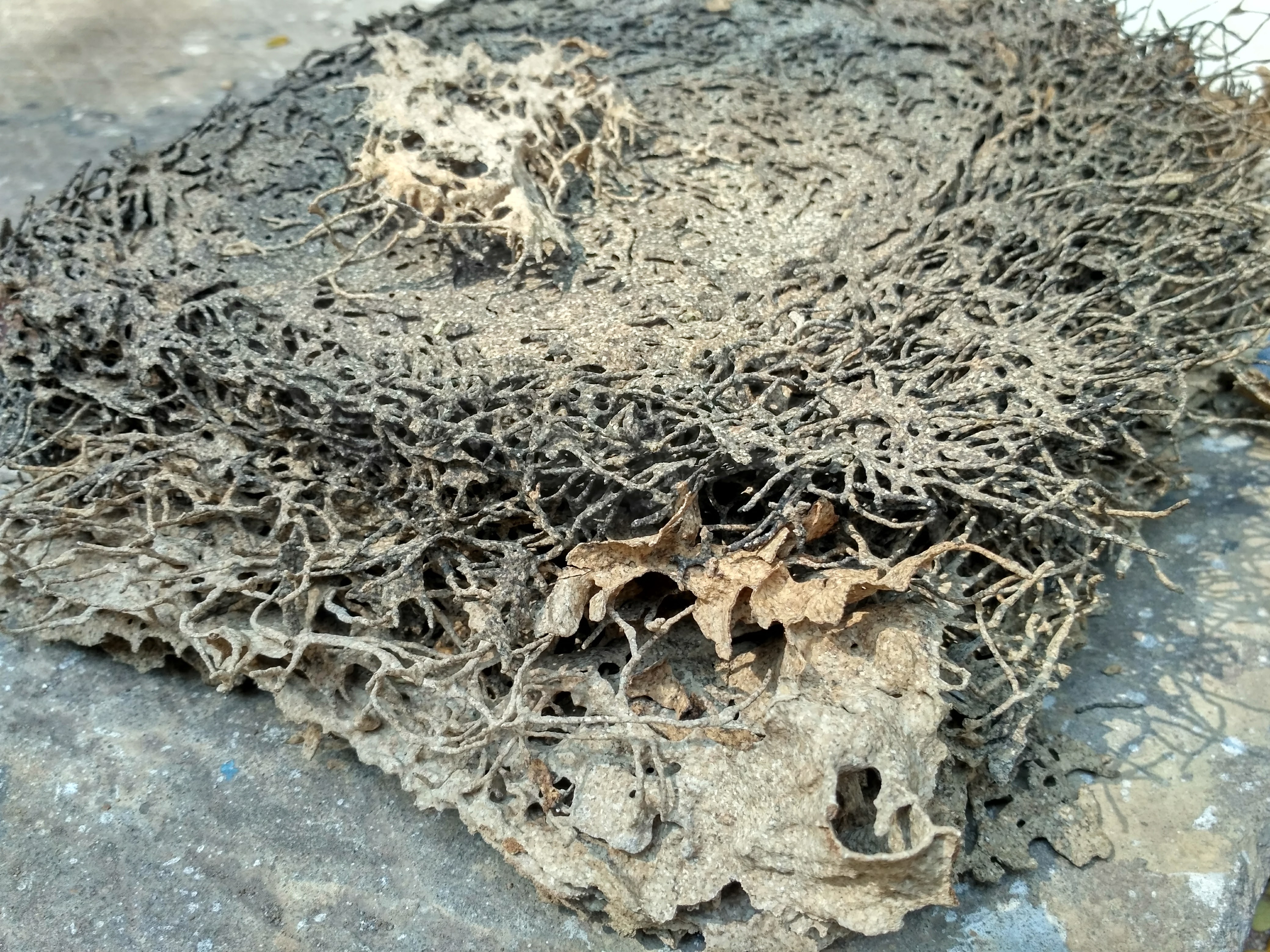

CL-100 versus a home inspection: why they are different
| Inspection | Primary purpose |
|---|---|
| CL-100 | Evidence of wood-destroying organisms, associated damage and applicable moisture findings. |
| General home inspection | Overall condition of accessible building systems and components, within the inspector's scope. |
| Structural evaluation | Professional assessment of the significance of damage and structural concerns, when needed. |
These services answer different questions. A buyer should not assume a CL-100 replaces a general inspection or that a general inspection substitutes for a lender-required wood infestation report.
When should Greenwood home buyers order a CL-100?
Discuss the inspection before making an offer. The official form specifies a 30-day validity window, and your signed contract and lender may impose particular timing requirements. Ask your agent to help coordinate the following milestones:
- Before the offer: clarify who will arrange and pay for the report, and how wood infestation findings will be handled under the proposed agreement.
- After ratification: arrange inspections early enough to investigate concerns within your contractual deadlines. Do not assume a later CL-100 date extends a separate due diligence period.
- Before closing: confirm that the report will still be acceptable on closing day and that any required treatment, repair documentation or follow-up inspection can be completed in time.
- If closing is delayed: ask whether an updated report is needed. Do not assume a report stays valid because the contract has been extended.
Ask for a written calendar of the relevant deadlines. It is much easier to plan a second inspection than to discover an expired document just before closing.
How to read the report: five things to check
1. Active versus previous infestation
Ask the inspector to explain whether activity was observed or whether the report describes evidence from an earlier infestation. Previous treatment alone does not establish that all affected wood has been repaired.
2. Damage and its location
Read the remarks and attachments rather than relying on a verbal summary. If damage is noted in a floor support or other potentially structural member, obtain a qualified evaluation before deciding whether to proceed.
3. Moisture findings
South Carolina's pest-control standards identify excessive moisture at wood readings of 20% or higher, or when standing water is present in relevant foundation areas. Ask whether a separate drainage, plumbing or building evaluation would be appropriate to determine the cause. A moisture reading is not a diagnosis of the entire building.
4. Inspection limitations
Find out which areas could not be reached. Finished walls, stored belongings, insulation and restricted access can limit an inspection. If a detached garage or workshop matters to your purchase, confirm in writing whether it is included in the inspection scope.
5. Treatment and warranty documentation
Request any available treatment records and warranty terms. Verify transfer eligibility, renewal charges, exclusions and whether the coverage provides retreatment, damage repair or both. A CL-100 itself does not create a termite warranty.
What happens if the CL-100 finds termite damage?
A report with findings does not automatically mean the transaction must end. The next step depends on the extent of the problem, the agreement you signed and any lender requirements.
Consider this hypothetical example: a buyer of a Greenwood house receives a report identifying prior termite activity and damage near a floor joist. The buyer asks the pest-control professional about infestation status and a qualified building professional about the joist. Written estimates and recommendations can help the parties decide whether to negotiate treatment, repairs or another permitted solution.
Keep these decisions separate: pest treatment addresses an infestation, structural repair addresses damaged components, and moisture correction addresses conditions that may contribute to decay. One invoice may not satisfy all three concerns.
South Carolina REALTORS has published guidance on wood infestation findings under its purchase contract. Do not assume that every contract grants the same remedies. Ask your closing attorney about your rights and your lender about any financing conditions before changing terms or terminating an agreement.
CL-100 closing checklist for buyers and sellers
- Confirm inspection responsibility, payment and due dates under the signed agreement.
- Choose a pest-control professional with the appropriate South Carolina license and verify the firm's credentials.
- Review the complete signed report, including remarks and additional pages.
- Ask about inaccessible areas, affected wood and moisture readings.
- Obtain written treatment or repair estimates from appropriate professionals when needed.
- Document any negotiated changes to the contract in writing.
- Confirm lender acceptance, report timing and required repair records before closing.
- Ask about transferring an existing termite warranty, if available.
Sellers can prepare by gathering existing pest-control records, arranging appropriate access for the inspector and discussing known defects with their listing agent. For more about preparing a property for sale, read our Greenwood seller repair guide.
Frequently asked questions
Who pays for a CL-100 in South Carolina?
Payment is governed by the purchase agreement. Confirm the arrangement before signing; do not assume the buyer or seller always pays.
Does a brick or slab-foundation house need a termite inspection?
Brick exteriors and concrete slabs do not eliminate the possibility of infestation in other building components. Ask the pest-control professional about the property's construction and consult your lender and contract for specific requirements.
Is a CL-100 the same as a termite bond?
No. The report documents inspection findings; a termite bond or warranty is a separate agreement with its own coverage and conditions.
Can I close if the report identifies a problem?
Possibly, depending on your contract, the findings and financing requirements. Confirm your options with the closing attorney and lender before agreeing to proceed.
Official resources for South Carolina home buyers
For licensing verification, forms and regulatory information, consult the Clemson University Department of Pesticide Regulation. The inspection and reporting standards are described in South Carolina Regulation 27-1085, sections J and K. Resources reviewed November 24, 2026.
Buying a home in Greenwood, SC?
Morton's Realty is a veteran-owned local real estate brokerage. We help buyers understand the transaction process, coordinate key dates and evaluate their options with the appropriate licensed professionals. Whether you are considering a home in Greenwood, Abbeville, McCormick or around Lake Greenwood, we welcome the opportunity to help you plan your purchase.
Explore Greenwood Homes for Sale
Call (864) 229-0422, visit our home buying services page or contact Morton's Realty to discuss your next step.
This article provides general real estate education, not legal, engineering or pest-control advice. Inspection requirements, contract terms and lender conditions vary by transaction.