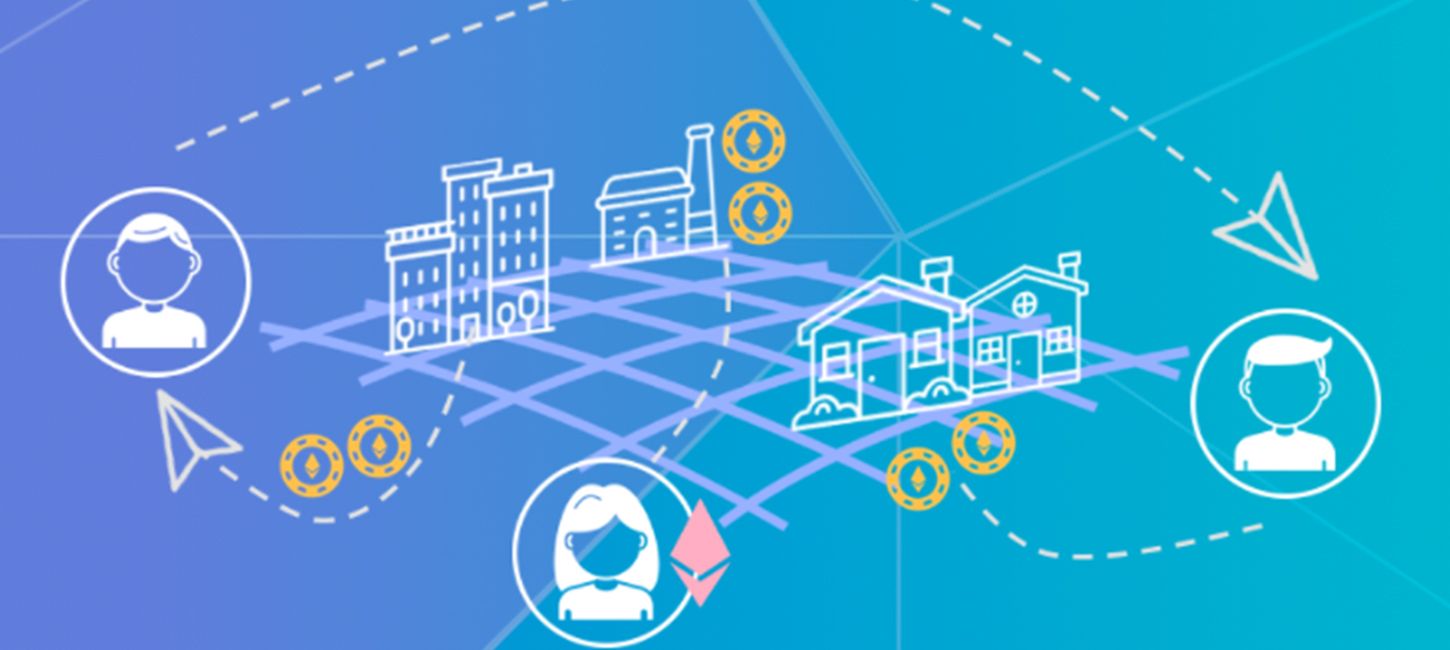
The real estate industry has always relied on trust, paperwork, and middlemen to ensure smooth transactions. But in today’s world of advancing technology, blockchain is starting to reshape how homes are bought and sold. At Morton’s Realty, we’re committed to helping our Greenwood, SC clients understand the trends that may impact real estate in the coming years. One of the biggest game-changers on the horizon? Blockchain technology.
In this blog, we’ll break down what blockchain is, how it could transform real estate transactions, the potential benefits for buyers and sellers, and what to expect as this technology gains traction.
What Is Blockchain?
Simply put, blockchain is a digital ledger that records transactions in a secure, transparent, and tamper-proof way. Every transaction is stored in “blocks” of data, and these blocks are linked together in a chain. Once information is added to the blockchain, it can’t be altered without detection.
Blockchain is the foundation of cryptocurrencies like Bitcoin, but its applications go far beyond digital currency. In real estate, it could serve as a secure, verifiable system for recording ownership, contracts, and payments.
How Real Estate Transactions Work Today
Currently, buying or selling a home involves:
-
Multiple parties (agents, attorneys, lenders, title companies, inspectors)
-
Extensive paperwork and contracts
-
Title searches to verify ownership history
-
Delays due to manual verification and approvals
While these systems work, they can be time-consuming, expensive, and prone to human error.
How Blockchain Could Change Real Estate
Blockchain has the potential to simplify and secure every step of a real estate transaction. Here’s how:
1. Smart Contracts
Smart contracts are self-executing agreements stored on the blockchain. Once conditions are met (for example, funds are transferred), the contract automatically completes. This reduces the need for manual oversight, speeds up closings, and ensures compliance.
2. Secure Property Records
Currently, property records are stored in county offices and require title companies to verify ownership. Blockchain could create tamper-proof property ledgers, making title searches faster, more accurate, and less expensive.
3. Faster Closings
With automated verification and fewer intermediaries, blockchain could significantly cut down the time it takes to close on a home. What now takes weeks might be reduced to just a few days.
4. Lower Costs
Eliminating some middlemen—like third-party verifiers—could reduce closing costs for both buyers and sellers. This makes real estate more accessible, especially for first-time buyers.
5. Fractional Ownership
Blockchain allows assets to be divided into digital shares. This could open the door for fractional real estate ownership, where multiple investors buy shares of a property, lowering the barrier to entry.
Benefits for Buyers
For homebuyers, blockchain could mean:
-
More transparency: Buyers can see a property’s full history, ownership record, and even inspection reports stored securely on the blockchain.
-
Reduced fraud risk: Blockchain’s security makes it harder for false listings or fraudulent sellers to succeed.
-
Quicker financing approvals: Lenders could use blockchain data for faster income and asset verification.
Benefits for Sellers
For sellers, blockchain offers:
-
Faster closings: With automated contracts and streamlined processes, sellers can get paid quicker.
-
Lower fees: Eliminating some closing costs means sellers keep more of their equity.
-
Wider buyer pool: Fractional ownership could attract investors, while international buyers may find blockchain-enabled transactions easier.
How Close Are We to Blockchain in Real Estate?
While blockchain offers exciting potential, it’s not yet mainstream in real estate. A few pilot programs exist, and some counties are experimenting with blockchain-based property records. But widespread adoption requires:
-
Legal recognition of blockchain property records
-
Industry-wide standards for smart contracts
-
Education for buyers, sellers, and real estate professionals
At Morton’s Realty, we stay ahead of emerging technology trends so our clients know what’s on the horizon. While blockchain won’t replace traditional processes overnight, it is likely to gradually integrate into real estate transactions over the next decade.
Potential Challenges
Like any new technology, blockchain faces hurdles:
-
Regulation: Laws must evolve to recognize blockchain property records as legally binding.
-
Adoption: Widespread use depends on title companies, lenders, and government offices adapting.
-
Complexity: Blockchain may feel intimidating for buyers and sellers who are unfamiliar with it.
The Future of Real Estate with Blockchain
Imagine a world where you:
-
Browse verified property listings online.
-
Sign a smart contract with your agent and lender.
-
Transfer funds digitally with instant confirmation.
-
Receive a digital property title stored securely on the blockchain.
This future could drastically reduce fraud, speed up closings, and simplify the home buying and selling process.
Morton’s Realty: Guiding You Through Real Estate Innovation
At Morton’s Realty, we know that technology is always changing the real estate landscape. While blockchain is not yet the norm in Greenwood, SC, understanding its potential gives buyers and sellers a competitive edge.
Whether you’re a first-time buyer, a seasoned investor, or someone curious about how the future of real estate could look, our team is here to guide you. We combine local market expertise with forward-thinking strategies to help our clients achieve their goals.
Final Thoughts
Blockchain has the potential to revolutionize real estate transactions by making them faster, safer, and more cost-effective. While widespread adoption is still a few years away, it’s important for buyers and sellers to stay informed.
At Morton’s Realty, we’re excited about the possibilities technology like blockchain can bring to Greenwood, SC real estate. Our mission is to help our clients make smart, informed decisions—today and in the future.