When it comes to home décor, the colors you choose can significantly impact the mood and atmosphere of your living space. Color psychology is the study of how colors affect human emotions and behaviors, making it an essential aspect of interior design. In this post, we’ll explore how to effectively use color psychology in your home décor to create spaces that reflect your personality and evoke the desired feelings.
Understanding Color Psychology
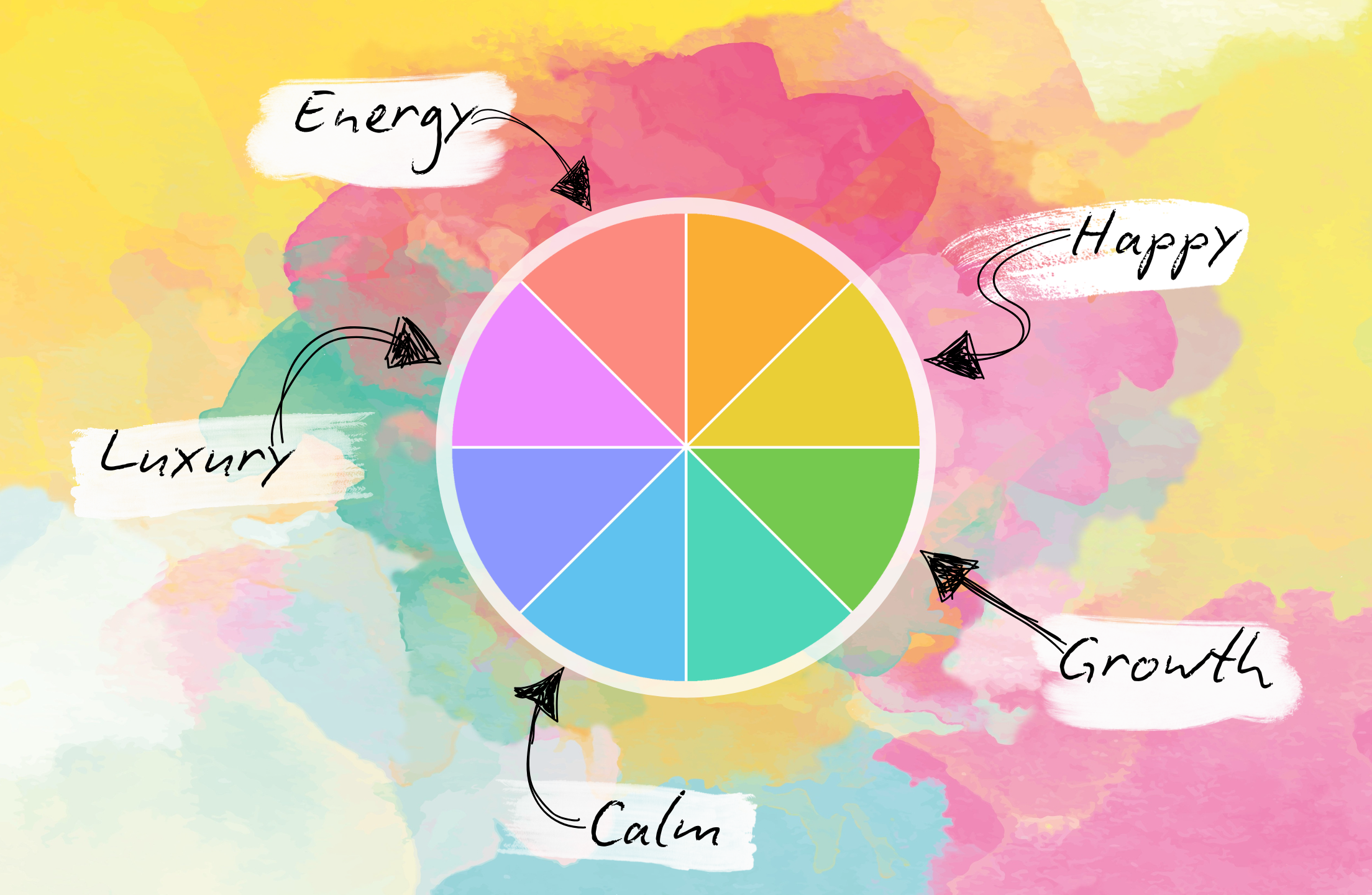
Color psychology suggests that different colors can influence mood, behavior, and even perception. For instance, warm colors like red and orange can evoke feelings of warmth and energy, while cool colors like blue and green tend to be calming and refreshing. Here’s a breakdown of some common colors and their psychological effects:
1. Red
Red is a powerful, energetic color often associated with passion, excitement, and urgency. It can stimulate the senses and increase energy levels, making it an excellent choice for spaces where you want to encourage social interaction, such as dining rooms or living areas. However, too much red can lead to feelings of aggression or anxiety, so it’s best used as an accent color.
2. Blue
Blue is known for its calming effects and is often associated with tranquility and stability. It can help reduce stress and promote a sense of peace, making it an ideal choice for bedrooms and bathrooms. Lighter shades of blue create a serene atmosphere, while darker blues can add sophistication.
3. Green
Green represents nature, growth, and renewal. It is refreshing and revitalizing, making it a perfect choice for any room in your home. Green is known to reduce anxiety and promote feelings of harmony, so it works well in spaces where relaxation is key, like living rooms and home offices.
4. Yellow
Yellow is often associated with happiness, optimism, and energy. It can brighten up any space and stimulate mental activity, making it suitable for kitchens and creative workspaces. However, too much yellow can become overwhelming, so consider using it as an accent or in smaller doses.
5. Purple
Purple is often associated with luxury, creativity, and spirituality. It can add a touch of elegance to your home, making it ideal for bedrooms or reading nooks. Lighter shades like lavender can evoke a sense of calm, while darker shades like plum can add richness and depth to a space.
6. Neutral Colors
Neutral colors like beige, gray, and white are versatile and timeless. They can create a calming backdrop for any room, allowing other colors to stand out. Neutrals are perfect for creating a spacious feel and can easily be paired with vibrant accent colors to add interest and personality.
How to Implement Color Psychology in Your Home
Now that you understand the psychological effects of different colors, here’s how to implement color psychology in your home décor:
1. Assess Your Space
Before choosing colors, assess the purpose of each room. Consider how you want each space to feel. For instance, a cozy living room may benefit from warm tones, while a serene bedroom might be best with cool colors.
2. Create a Color Palette
Once you’ve determined the mood for each room, create a cohesive color palette. Use a combination of primary colors, secondary colors, and neutrals to ensure balance. Aim for a harmonious flow throughout your home by selecting colors that complement one another.
3. Use Color as an Accent
If you’re hesitant to use bold colors, start small. Incorporate color through accessories like pillows, rugs, and artwork. This allows you to experiment with different shades without committing to a full room makeover.
4. Consider Lighting
The way a color appears can change significantly depending on lighting. Natural light can enhance the vibrancy of colors, while artificial light can create a different ambiance. Test paint samples in different lighting conditions before making a final decision.
5. Personalize with Meaning
Consider your personal experiences and feelings associated with certain colors. If you have fond memories of a particular shade, incorporate it into your décor. Personal touches can create a meaningful and inviting atmosphere.
6. Balance Warm and Cool Tones
A well-balanced room often features a mix of warm and cool tones. This balance can create a dynamic and inviting space. For example, pair warm wooden furniture with cool blue accents to achieve a harmonious look.
7. Don’t Forget the Ceiling
While walls and furniture are often the focus of color decisions, ceilings also offer a unique opportunity for creativity. Painting the ceiling a lighter shade can create the illusion of height, while darker colors can add drama and intimacy.
Using color psychology in your home décor can transform your living space and create the desired atmosphere for you and your family. By understanding the emotional effects of different colors and thoughtfully implementing them, you can design a home that reflects your personality and enhances your well-being.
Remember to assess each space, create a cohesive color palette, and experiment with accents. With careful planning and consideration, your home can become a haven that fosters comfort, creativity, and happiness. If you have any questions about incorporating color psychology into your home décor or need assistance with your real estate journey, don’t hesitate to reach out to Morton's Realty. Their expert team is ready to help you navigate your home design and buying process. So go ahead—get inspired by the power of color and make your home a true reflection of you!