Oct. 16, 2025

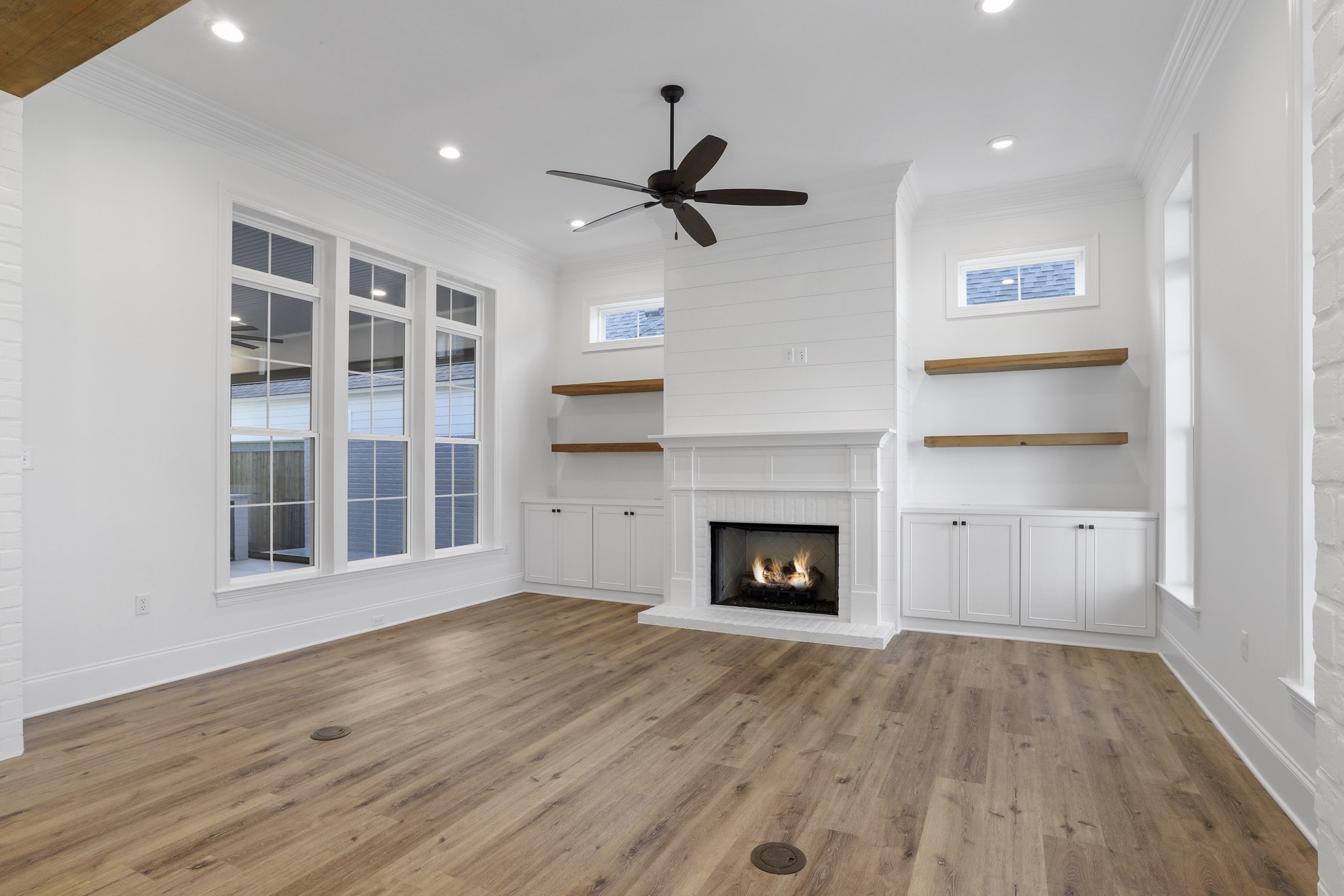
How to Prepare Your Home for Listing Photos – Helping South Carolina Homes Shine Online


When it comes to selling your home, first impressions aren’t just important — they’re everything. And in today’s digital world, that first impression almost always happens online.

Before a potential buyer ever steps foot in your home, they’re scrolling through listing photos. In fact, studies show that listings with high-quality, well-prepared photos attract more views, more showings, and often sell faster (and for more money).

At Morton’s Realty, we know that great listing photos are one of the most powerful marketing tools a seller has. Whether your home is in Greenwood, Lake Greenwood, Ninety Six, or anywhere in the Upstate, preparing your property properly before the photographer arrives is key to making it stand out.

Here’s everything you need to know about how to prepare your home for listing photos — plus answers to common follow-up questions homeowners often have during the process.


1. Start with a Deep Clean

Cleanliness is non-negotiable. Cameras pick up everything — dust, fingerprints, streaky windows, and clutter — often more clearly than the human eye.

Before photo day:

  • Wipe down all surfaces (countertops, mirrors, glass doors, tables, appliances).

  • Vacuum and mop all floors, including under furniture.

  • Dust everything, from baseboards to ceiling fans.

  • Wash windows inside and out for natural light and clarity.

If cleaning feels overwhelming, consider hiring a professional cleaning service for a one-time deep clean. It’s an investment that pays off by making your home shine in photos.


2. Declutter and Depersonalize

Less truly is more when it comes to real estate photography. Buyers need to imagine themselves in your home — not feel like they’re intruding on yours.

Decluttering Tips:

  • Clear off kitchen and bathroom counters.

  • Remove excess décor, personal collections, and refrigerator magnets.

  • Hide cords, remotes, and miscellaneous items in drawers or baskets.

  • Remove area rugs that break up floor space (especially if you have beautiful hardwoods).

Depersonalizing Tips:

  • Take down family photos and personal artwork.

  • Remove name plaques, diplomas, or children’s artwork.

  • Store away personal items like toothbrushes, medications, and clothing.

Morton’s Realty Tip: Think “model home” — warm and welcoming, but neutral and spacious.


3. Focus on Lighting and Windows

Natural light is a photographer’s best friend. Bright, airy spaces look bigger, cleaner, and more inviting.

Before your photographer arrives:

  • Open all curtains, drapes, and blinds.

  • Turn on every light in the house, including lamps and overhead fixtures.

  • Replace any burnt-out bulbs and make sure all lightbulbs match (soft white or daylight).

  • Clean all light fixtures and lampshades to prevent dust spots from showing in photos.

If you have heavy or dark curtains, consider replacing them temporarily with lighter, sheer ones to allow more sunlight in.


4. Highlight Your Home’s Best Features

Every home has something special — a cozy fireplace, a spacious kitchen, lake views, or a relaxing outdoor deck. Make sure those features take center stage.

To make standout features pop:

  • Arrange furniture to direct attention toward focal points like fireplaces or windows.

  • Clear off surfaces near special features to reduce distractions.

  • Turn on accent lighting or a gas fireplace for warmth and atmosphere.

  • Style key spaces with subtle décor — a vase of fresh flowers on the dining table or neatly folded towels in the bathroom.

At Morton’s Realty, we help clients identify which features photographers should emphasize and how to stage each room for maximum appeal.


5. Perfect Your Curb Appeal

Your home’s exterior is the first photo most buyers will see. Strong curb appeal can make someone stop scrolling — or skip your listing entirely.

Outdoor Prep Checklist:

  • Mow and edge the lawn.

  • Trim bushes and trees, especially near windows or walkways.

  • Sweep porches, decks, and driveways.

  • Remove trash cans, hoses, toys, and vehicles from view.

  • Add fresh mulch, flowers, or a new welcome mat for a polished touch.

If you have outdoor living areas — like a patio, fire pit, or lake dock — stage them just like you would an indoor room. Arrange furniture neatly, add cushions or a few plants, and keep everything tidy.

Landscape Tips: https://pin.it/41QOMcu6J


6. Stage Each Room with Intention

You don’t need professional staging for every home, but thoughtful presentation makes a big difference. Every room should have a clear purpose.

For example:

  • Living Room: Symmetrical furniture layout with a cozy, conversational feel.

  • Kitchen: Clean counters with one or two decorative items (a bowl of fruit or small plant).

  • Dining Room: Simple centerpiece and neatly arranged chairs.

  • Bedrooms: Crisp bedding, fluffed pillows, and minimal décor.

  • Bathrooms: Spotless counters, folded towels, and no visible toiletries.

If a room is empty, Morton’s Realty can help you decide whether virtual staging (adding digital furniture and décor) would help buyers visualize its potential.

More Staging Tips: https://pin.it/41QOMcu6J


7. Hide Everyday Items

It’s amazing how easily small, everyday items can distract in a photo. Before the shoot:

  • Hide trash cans, pet bowls, litter boxes, and laundry baskets.

  • Remove dish racks, sponges, and cleaning supplies.

  • Tuck away extra shoes, coats, and mail.

  • Close toilet lids and neatly fold all towels.

These small details make your photos look clean and uncluttered — helping buyers focus on the space itself, not the stuff in it.


8. Coordinate with Your Photographer

Your photographer knows how to showcase your home in its best light — literally and figuratively. Still, good communication goes a long way.

Before the shoot, discuss:

  • Timing: Morning light versus afternoon light can make a big difference.

  • Angles: Are there specific rooms or features you want emphasized?

  • Special requests: Seasonal decorations, twilight shots, or drone photography.

At Morton’s Realty, we work directly with trusted real estate photographers who know how to make South Carolina homes look stunning — both inside and out.


9. Common Questions Sellers Ask About Listing Photos

Should I be home during the photo session?

It’s usually best to step out while the photographer works. It allows them to move quickly without interruption and capture the best angles without foot traffic.

Can I leave my pets at home?

We love pets, but it’s best to remove them (and their items) for photos. It keeps the home cleaner and helps appeal to buyers who may not have pets.

What if the weather is bad on photo day?

If it’s dark or raining, your photographer may reschedule to ensure your listing shines in the best light. Exterior photos especially benefit from clear skies and bright light.

Can my home look “too empty”?

A little personality is fine! The goal is to strike a balance between welcoming and neutral — enough warmth for buyers to connect, but not so much that they feel it’s your space, not theirs.


10. The Bottom Line: Preparation Pays Off

Taking the time to prepare your home for listing photos pays off in a big way. Homes that are clean, bright, and staged thoughtfully tend to:
✅ Attract more online views
✅ Generate more showings
✅ Receive stronger offers
✅ Sell faster than unprepared homes

Think of your photos as your home’s digital handshake — the moment where buyers decide whether to learn more or move on.

At Morton’s Realty, we guide our clients through every step of the selling process — from pre-photo prep to closing day. We know what catches a buyer’s eye, and we’ll help ensure your home stands out in the crowded South Carolina market.


📍 Morton’s Realty – Greenwood, SC
Your trusted local experts in selling homes across Greenwood, Lake Greenwood, and the Upstate.

📞 Contact us today at (864) 229-0422 for a personalized consultation on how to prepare your home for listing photos — and how to sell it fast.



 

Posted in Home Selling
Oct. 15, 2025

How Much House Can You Really Afford? | Morton's Realty Answers


Whether you’re a first-time buyer or looking to move up, the question that matters most before you start shopping is simple: How much house can you really afford?

It’s easy to get caught up in the excitement of browsing dream homes online, but understanding what fits comfortably within your budget is key to long-term financial stability and peace of mind. At Morton’s Realty, we help buyers across Greenwood, Lake Greenwood, and the Upstate South Carolina area make informed, confident decisions about homeownership.

Here’s how to figure out how much house you can afford — and how to make smart financial moves that keep you comfortable for years to come.


1. Start with Your Income and Debt

The foundation of affordability starts with your monthly income and existing debt obligations.

Lenders use a formula called the debt-to-income ratio (DTI) to determine how much mortgage you can handle. This ratio compares your monthly debt payments (like car loans, student loans, and credit cards) to your gross monthly income.

  • Most lenders prefer a DTI of 36% or less.

  • That means no more than 36% of your income should go toward total debt payments, including your mortgage.

Example:

If you earn $6,000 a month before taxes, 36% equals $2,160. That’s the maximum amount lenders typically want you spending on all debt — mortgage included.

Tip from Morton’s Realty: Even if a lender approves you for a higher amount, it doesn’t mean you should spend that much. It’s wise to stay a little below your limit to leave room for savings, repairs, and lifestyle expenses.


2. Consider Your Down Payment

Your down payment plays a huge role in determining how much house you can afford — and how much your monthly payment will be.

  • A larger down payment lowers your loan balance and monthly mortgage cost.

  • A smaller down payment may mean higher monthly payments and the addition of private mortgage insurance (PMI).

Common Down Payment Options:

  • Conventional Loan: 3%–20%

  • FHA Loan: 3.5% minimum

  • VA Loan (for veterans): 0% down

  • USDA Loan: 0% down in eligible rural areas

If you’re buying in Greenwood or surrounding areas, you may qualify for local or state homebuyer assistance programs that help with down payment or closing costs. Morton’s Realty can connect you with lenders who specialize in these programs.


3. Factor in All the Hidden Costs of Homeownership

When calculating affordability, don’t stop at the mortgage payment. Owning a home comes with additional expenses that can catch first-time buyers off guard.

Here’s what to include in your budget:

  • Property taxes: Vary by county and home value — in Greenwood County, SC, expect roughly 0.6%–0.8% annually.

  • Homeowner’s insurance: Typically $800–$1,500 per year, depending on coverage and property type.

  • Private mortgage insurance (PMI): Around 0.5–1% of your loan balance annually if your down payment is under 20%.

  • Utilities and maintenance: Electricity, water, trash, landscaping, and repairs can add several hundred dollars monthly.

  • HOA fees: Common in planned communities or lakefront developments like those around Lake Greenwood.

Rule of thumb: Budget an extra 1% of your home’s value per year for maintenance and repairs. So, if your home is $300,000, set aside about $3,000 annually for upkeep.


4. Understand Interest Rates and Loan Terms

Mortgage rates significantly affect affordability — and even a small rate change can alter what you can buy.

For example:

  • A $300,000 loan at 6% interest = about $1,799/month (principal + interest)

  • The same loan at 7% interest = about $1,996/month — nearly $200 more each month.

That’s why timing and preparation matter. If your credit score is strong and you have steady income, you may qualify for a lower interest rate, which helps you afford more house for the same monthly payment.

Tip from Morton’s Realty: Compare quotes from at least three lenders before choosing your mortgage. Small differences in rates and fees can save you thousands over time.


5. Get Pre-Approved — Not Just Pre-Qualified

Before you start touring homes, it’s essential to get pre-approved by a lender.

Pre-approval involves a deeper look at your finances — including credit, income, and debt — and gives you a realistic price range to shop within. It also shows sellers that you’re a serious buyer.

Pre-qualification, on the other hand, is a more casual estimate that doesn’t involve documentation.

When working with Morton’s Realty, we recommend connecting with trusted local lenders who can issue a pre-approval letter quickly, so you’re ready to make strong offers when the right home hits the market.

Get More Info: https://pin.it/2SIoTzY3n


6. Use the 28/36 Rule

A popular method for estimating how much house you can afford is the 28/36 rule:

  • 28%: No more than 28% of your gross income should go toward housing costs (mortgage, insurance, taxes).

  • 36%: No more than 36% of your gross income should go toward total debt payments.

Example:

If your household earns $80,000 a year ($6,667/month):

  • 28% of $6,667 = $1,866 for your total monthly housing budget.

  • 36% of $6,667 = $2,400 maximum for all debt payments.

This formula ensures your mortgage won’t overburden your lifestyle or limit financial flexibility.


7. Keep Long-Term Goals in Mind

When deciding how much house to buy, think beyond the numbers. Your lifestyle, job stability, and future plans all play a role in affordability.

Ask yourself:

  • Do you expect your income to grow or remain steady?

  • Will you need more space soon — or could you downsize later?

  • Are you comfortable with a fixed mortgage payment for the next 15–30 years?

Owning a home should fit your life comfortably, not stretch your budget so tight that it becomes stressful.

At Morton’s Realty, we encourage clients to look at the big picture: homeownership should support your lifestyle and goals, not limit them.


8. Be Honest About Lifestyle Expenses

It’s easy to forget about discretionary spending when doing affordability math — things like travel, dining out, childcare, or hobbies.

Before deciding how much house to buy, track your spending for a few months. You’ll quickly see where your money goes — and what you’re truly comfortable committing to for a mortgage.

Pro tip: Build a “mock budget.” Pretend you’re already paying your estimated mortgage, utilities, and taxes. Transfer that amount to savings for a few months to see how it feels. If it’s tight, adjust your price range downward.


9. Work with a Local Realtor Who Understands the Market

Every real estate market is unique. Home prices, taxes, and insurance can vary widely from city to city — and even between neighborhoods.

That’s why working with a local expert like Morton’s Realty is so valuable. We understand the true costs of homeownership in Greenwood, Ninety Six, and the Lake Greenwood region, including how to balance affordability with long-term value.

We’ll connect you with lenders, explain local tax implications, and help you find homes that fit your budget and lifestyle.


10. Remember: Affordability Is About Comfort, Not Maximum Approval

It’s tempting to buy the nicest home your lender says you can afford. But financial comfort matters more than square footage.

Leave room in your budget for savings, emergencies, and joy. A slightly smaller or more affordable home may give you more freedom, flexibility, and peace of mind.

At Morton’s Realty, we believe the right home isn’t just one you can afford — it’s one that feels financially and emotionally right.


Final Thoughts

Determining how much house you can really afford is about balance — understanding your income, debt, goals, and comfort level. With smart planning and local guidance, you can find the perfect home without financial strain.

Whether you’re buying your first home or upgrading to your next, the team at Morton’s Realty is here to help. We’ll walk you through every step, from pre-approval to closing, ensuring your investment is secure and sustainable.

📍 Morton’s Realty – Greenwood, SC
📞 Contact us today to discuss your home-buying goals and find out exactly how much house you can comfortably afford in 2025.

Oct. 14, 2025

What Happens If Your Home Doesn’t Sell


You’ve cleaned, staged, and listed your home. Weeks — maybe even months — have gone by, and the offers still haven’t come. It’s frustrating, and it can leave you wondering: What happens if my home doesn’t sell?

The truth is, even in a strong housing market, not every property moves right away. Sometimes, the timing, pricing, marketing, or presentation just isn’t hitting the mark.

At Morton’s Realty, we help sellers across Greenwood, Lake Greenwood, and the surrounding Upstate South Carolina areas find the right path forward when a home lingers on the market. If your home hasn’t sold, don’t lose hope — you have plenty of smart, strategic options.


1. Revisit Your Asking Price

Price is often the single biggest factor that determines how quickly a home sells. Even in a desirable neighborhood, pricing too high can limit buyer interest and cause your listing to sit idle.

Buyers today are highly informed. With online tools like Zillow, Realtor.com, and MLS searches, they instantly compare your home to others in the same area. If similar homes are priced lower or offer more features, your listing may be overlooked.

What to do:

  • Ask your real estate agent for a fresh comparative market analysis (CMA).

  • Review recent local sales and adjust your price to align with the market.

  • Consider offering buyer incentives, such as covering some closing costs.

A small price adjustment — even by just a few thousand dollars — can bring your home back into a buyer’s search range and reignite interest.


2. Reevaluate Your Home’s Presentation

Sometimes, the issue isn’t the home itself, but how it’s being presented. First impressions are everything in real estate.

Buyers make decisions emotionally and visually — often within seconds of seeing your photos online. If your home’s presentation doesn’t stand out, it could be costing you potential buyers.

What to check:

  • Are your listing photos professionally taken and well lit?

  • Does your home look clean, uncluttered, and inviting?

  • Have you neutralized paint colors and depersonalized your décor?

A few staging updates can make a major difference. Morton’s Realty often recommends affordable fixes such as new lighting, fresh paint, or rearranged furniture to highlight your home’s best features.


3. Boost Your Marketing Strategy

If your home is priced right and looks great, the next question is: Are enough buyers seeing it?

An effective marketing strategy goes far beyond simply posting to MLS. It requires a multi-platform approach designed to reach the right audience — both locally and online.

Modern real estate marketing should include:

  • Professional photography and video tours

  • Targeted social media advertising (Facebook, Instagram, etc.)

  • Listing optimization on Zillow, Realtor.com, and Google

  • Open houses and local community exposure

  • Email campaigns to active buyer networks

At Morton’s Realty, we combine traditional marketing with cutting-edge digital strategies to make sure your listing gets maximum visibility — especially with out-of-town buyers looking to move to Greenwood and the Upstate.


4. Consider the Timing

Real estate activity naturally fluctuates throughout the year. Spring and early summer tend to be the busiest seasons, while fall and winter can be slower.

If your home was listed during a quieter time, it may simply need to stay on the market longer or be relisted when demand rises again.

What you can do:

  • Talk with your agent about market timing and seasonality.

  • If your listing has gone stale, consider temporarily withdrawing it.

  • Reintroduce it with fresh photos, a new description, or updated staging later.

A strategic pause followed by a relaunch can make your listing feel brand-new to buyers who missed it the first time.


5. Review Your Listing Details

Sometimes, small details in your online listing can make a big difference. The description, keywords, and even the order of photos influence how buyers perceive your home.

Make sure your listing highlights what buyers in your area are searching for. In Greenwood, for example, that might include proximity to Lake Greenwood, quality school districts, or outdoor living space.

Ask your agent to refresh the listing with:

  • A strong headline that captures attention

  • Updated or reordered photos

  • SEO-rich property descriptions (for online visibility)

  • Highlighted lifestyle benefits — not just features

A rewritten, more engaging listing can help reframe your property’s value and spark new interest.


6. Evaluate Market Conditions

If your home isn’t selling despite a fair price and solid marketing, the issue could be broader market conditions.

Factors such as rising mortgage rates, local inventory levels, or economic shifts can slow buyer activity — even in otherwise healthy areas.

In some cases, the best strategy is simply to wait it out or rent your home temporarily until the market stabilizes.

Your Morton’s Realty agent can analyze current trends in your specific neighborhood and provide honest, data-driven guidance about whether it’s better to hold, rent, or relist.

Learn More: https://pin.it/1OtAa4hzi


7. Make Strategic Improvements

If feedback from buyers suggests your home needs updates, consider tackling small, high-impact projects that improve appeal and value.

Focus on improvements that bring the best return on investment:

  • Fresh paint and updated lighting

  • Landscaping and curb appeal upgrades

  • Minor kitchen or bathroom updates

  • New hardware or fixtures

Even small updates can make your home feel modern and move-in ready — two qualities today’s buyers love.

At Morton’s Realty, we often connect sellers with trusted local contractors who can handle affordable, fast-turnaround improvements that help listings shine.


8. Try a Different Selling Approach

If traditional marketing hasn’t worked, it may be time to explore other selling options.

Some homeowners find success with:

  • Staging and rebranding: Relaunch your listing with a new aesthetic.

  • Pre-inspections: Offer transparency upfront to attract serious buyers.

  • Seller financing: Appeal to buyers who may not qualify for traditional loans.

  • Rent-to-own agreements: A good option if you’re open to flexibility.

These creative approaches can help your property stand out — especially if you’re in a competitive or slower-moving segment of the market.


9. Work with a New Real Estate Agent

If your home has been listed for months without results, it might be time for a fresh perspective.

Every agent has different marketing tools, networks, and strategies. At Morton’s Realty, we specialize in analyzing why a property hasn’t sold — then crafting a customized relaunch plan designed to fix it.

Our team takes the time to understand what hasn’t worked, whether it’s pricing, presentation, or exposure. Then we implement a targeted marketing campaign that gets your home noticed again.

A new approach — and a motivated team — can make all the difference.


10. Stay Positive — Your Home Can Still Sell

A stagnant listing doesn’t mean failure. Many successful home sales start with a few bumps along the way. Real estate is all about timing, strategy, and presentation — and with the right adjustments, your home can absolutely sell.

At Morton’s Realty, we believe every property has potential — it’s just about finding the right way to showcase it. Whether you’re in Greenwood, Ninety Six, or the Lake Greenwood area, our team will help you evaluate your options, fine-tune your listing, and turn things around.


Ready for a Fresh Start?

If your home hasn’t sold, don’t give up — let Morton’s Realty help. Our local expertise, proven marketing strategies, and personalized service can make all the difference.

📍 Morton’s Realty – Greenwood, SC
📞 Contact us today (864-229-0422) to discuss your current listing and explore your best next steps toward a successful sale.


Posted in Home Selling
Oct. 13, 2025

How to Transfer Property Ownership in South Carolina: Expert's Answer


Whether you’re gifting property to a family member, selling your home, or handling an estate, understanding how to transfer property ownership in South Carolina is essential. Real estate transactions go beyond signing papers — they involve legal documentation, county filings, and specific state laws that ensure ownership is properly recorded.

At Morton’s Realty, we guide buyers and sellers through these details every day, helping our clients protect their investment and avoid costly mistakes. In this post, we’ll walk you through everything you need to know about transferring property ownership in South Carolina — step-by-step.


1. Understanding What “Property Ownership Transfer” Means

Transferring property ownership means legally changing who holds the title to a home, land, or other real estate. This process is typically done using a deed, which identifies the current owner (the grantor) and the new owner (the grantee).

Common reasons for transferring ownership include:

  • Selling a home or land

  • Gifting property to a child or relative

  • Adding or removing a spouse from the deed (often after marriage or divorce)

  • Transferring property into a trust or business

  • Settling an estate after a loved one’s passing

No matter the reason, the transfer must be properly executed and recorded with the county to be legally binding.


2. Choose the Right Type of Deed for Your Situation

In South Carolina, there are several types of deeds used for property transfers — and choosing the right one matters. Each type carries different levels of protection for the new owner.

Warranty Deed

This is the most common deed in real estate sales. It guarantees that the seller holds clear title to the property and has the right to transfer it. The seller also promises to defend the buyer against any future claims.

Quitclaim Deed

A quitclaim deed transfers whatever ownership interest the grantor has — without guaranteeing that the title is clear. It’s often used for family transfers, divorces, or adding a spouse to the deed.

Special Warranty Deed

This deed is used mainly in commercial or estate transfers. It guarantees that the property was not encumbered during the seller’s ownership but doesn’t cover issues from previous owners.

Tip from Morton’s Realty: When transferring ownership between family members, a quitclaim deed might suffice. For sales or investments, a warranty deed provides stronger legal protection.


3. Prepare the Legal Documents

The process starts by drafting the deed that reflects the correct property information. This includes:

  • The legal description of the property (from the existing deed)

  • The full names and addresses of both parties

  • The type of deed being used (warranty, quitclaim, etc.)

  • The sale price or consideration amount (even $1 for a gift transfer)

It’s critical that all information is accurate. Errors — even minor ones — can cause delays or make the deed invalid.

Most homeowners choose to have a real estate attorney or closing agent prepare the deed. In South Carolina, real estate closings are typically handled by licensed attorneys, ensuring the documentation and title work meet state requirements.


4. Sign and Notarize the Deed

Once the deed is prepared, both the grantor (current owner) and, in most cases, the grantee (new owner) must sign it in front of a notary public.

South Carolina law requires deeds to be notarized and witnessed before they can be recorded. This step helps prevent fraud and verifies that all signatures are legitimate.

If the transfer involves a sale, this is typically done during closing — your real estate attorney or title company will oversee the process to ensure everything is legally compliant.


5. Record the Deed with the County Clerk or Register of Deeds

After signing, the deed must be filed (recorded) with the Register of Deeds or Clerk of Court in the county where the property is located.

For example, if your property is in Greenwood County, the deed will be recorded at the Greenwood County Register of Deeds Office.

Recording fees vary slightly by county but generally range from $10–$25, plus any documentary stamp tax due on the transaction. Once the deed is recorded, it becomes part of the public record, officially transferring ownership.


6. Pay the Required Fees and Taxes

South Carolina imposes a deed recording fee (also known as documentary stamp tax) based on the property’s sale price. The standard rate is $1.85 per $500 of the sale price (or portion thereof).

For example, a home selling for $250,000 would incur a $925 recording fee.

However, some transfers — such as gifts between spouses, parents and children, or transfers without monetary exchange — may qualify for tax exemptions.

Tip from Morton’s Realty: Always consult your closing attorney to confirm whether your transfer qualifies for an exemption. Missing this detail could mean paying unnecessary taxes.


7. Notify Mortgage Lenders and Insurance Companies

If the property still has an existing mortgage, you’ll need to inform your lender before transferring ownership. Most mortgage agreements contain a “due-on-sale” clause, meaning the loan must be repaid if ownership changes hands.

For family or estate transfers, lenders may grant exceptions, but it’s always best to confirm in advance.

Additionally, make sure to update your homeowner’s insurance to reflect the new ownership and maintain continuous coverage.


8. Consider Estate Planning Implications

Many South Carolina property transfers happen for estate planning purposes — such as adding a child to the deed or placing the property into a living trust.

Before doing so, it’s wise to consult with both a real estate attorney and an estate planning professional. Transferring property incorrectly could have unintended tax or inheritance consequences.

For instance, adding someone to your deed can change ownership percentages, affect property taxes, and complicate future sales. With professional guidance, you can structure the transfer to protect your interests and your family’s.


9. Confirm Title Transfer and Ownership Records

Once recorded, the county will provide a stamped copy of the new deed confirming ownership. Review it carefully to ensure:

  • All names are spelled correctly

  • The legal description matches your property

  • The deed type and terms are correct

Keep this document in a safe place — it’s your official proof of ownership.

Morton’s Realty clients often choose to have a title search completed after recording, just to verify that no liens, judgments, or claims are attached to the property.


10. Partner with a Local Real Estate Professional

Even a simple property transfer can involve complex details. Working with a trusted local real estate professional ensures the process is handled correctly from start to finish.

At Morton’s Realty, our team works closely with local attorneys, title companies, and county offices throughout Greenwood, Lake Greenwood, and the greater Upstate South Carolina area. Whether you’re selling, gifting, or inheriting property, we’ll help you understand your options and make sure every step is done the right way.

We believe in transparency, accuracy, and peace of mind — because your property is one of your most valuable assets.


Final Thoughts: Make It Legal, Smooth, and Secure

Transferring property ownership in South Carolina isn’t complicated when you know what to expect — but skipping key steps or paperwork can cause major issues later.

To recap, you’ll need to:

  1. Choose the right type of deed.

  2. Prepare accurate legal documents.

  3. Sign and notarize the deed properly.

  4. Record it with the county.

  5. Pay any fees or taxes due.

  6. Confirm the updated ownership record.

Whether you’re buying, selling, or transferring between family members, Morton’s Realty is here to help you navigate the process smoothly.


Contact Morton’s Realty Today (864) 229-0422

If you’re planning to transfer property in Greenwood or anywhere in South Carolina, reach out to Morton’s Realty for expert guidance and trusted local support. We’ll connect you with the right professionals and make sure your real estate transaction is completed efficiently and securely.


Oct. 10, 2025

What Every First-Time Homebuyer Should Know in 2025


Buying your first home is one of life’s most exciting milestones — and in 2025, the journey looks a little different than it did just a few years ago. Between changing interest rates, evolving mortgage programs, and a more competitive housing market, being well-informed is the best way to start strong.

At Morton’s Realty, we’ve helped countless first-time homebuyers across Greenwood, Lake Greenwood, and the surrounding Upstate South Carolina areas navigate the path to homeownership with confidence. Whether you’re buying a starter home or your forever home, here’s what every first-time buyer should know in 2025.


1. Start with a Realistic Budget — and Get Pre-Approved Early

Before you start scrolling through listings, take time to understand exactly how much home you can afford. Rising home prices and fluctuating mortgage rates mean budgets can shift quickly.

Start by reviewing your finances:

  • Calculate your monthly income and expenses.

  • Check your credit score (most lenders prefer 620 or higher).

  • Save for a down payment — even 3–5% can make a big difference.

  • Don’t forget closing costs, which typically range from 2–5% of the purchase price.

Getting pre-approved for a mortgage before you begin shopping gives you a competitive edge. It shows sellers you’re serious and ready to buy — and it helps you set clear expectations for what you can comfortably afford.

Tip from Morton’s Realty: Local lenders often have a better understanding of South Carolina’s market nuances and available first-time buyer programs than large national banks.

Pre-Approval Tips:  https://pin.it/4nwoQcpxW


2. Explore First-Time Buyer Programs and Grants

One of the biggest advantages for new buyers in 2025 is the range of assistance programs available. From federal loans to local grants, there are several ways to reduce upfront costs.

Some options to explore:

  • FHA Loans: Require as little as 3.5% down and are ideal for buyers with lower credit scores.

  • USDA Loans: Perfect for eligible rural and suburban areas — including many parts of Greenwood County — offering 100% financing.

  • VA Loans: Available to veterans and active-duty service members with no down payment requirement.

  • South Carolina Housing Programs: The state offers down payment assistance and low-interest mortgage options for qualified buyers.

Working with an experienced local real estate agent can help you identify which programs fit your financial profile best and how to apply.

More Info: https://pin.it/30JW2TSOv


3. Understand Today’s Mortgage Landscape

Interest rates have been one of the biggest stories in real estate lately — and while 2025 brings a bit more stability than the last few years, rates remain higher than the ultra-low pandemic levels.

That doesn’t mean it’s a bad time to buy — it just means strategy matters.
Here’s what to keep in mind:

  • Compare multiple lenders to find the best rate and terms.

  • Consider locking in your rate if you find one that fits your budget.

  • Don’t overlook adjustable-rate mortgages (ARMs) if you plan to move within a few years.

  • Ask lenders about temporary “buydown” programs that can lower your rate for the first few years.

Even a half-point difference in your interest rate can save you thousands over the life of your loan.


4. Prioritize Location and Lifestyle

When you buy your first home, it’s easy to get swept up in features — granite countertops, walk-in closets, open floor plans. But smart buyers know that location is the one thing you can’t change.

In Greenwood and nearby communities, location can mean:

  • Proximity to local schools and parks.

  • Access to shopping, dining, and healthcare.

  • Neighborhood growth potential and resale value.

  • Commute time to work or major highways.

Think long-term: even if this isn’t your forever home, choosing a desirable neighborhood will help you build equity faster and position you well for your next move.


5. Don’t Skip the Home Inspection

Even in a competitive market, never skip the inspection. It’s your safeguard against hidden problems that could cost you later.

A professional home inspector can identify:

  • Structural issues, roof damage, or foundation cracks.

  • Plumbing, electrical, or HVAC system problems.

  • Safety hazards like mold or poor ventilation.

If issues arise, you can use the inspection report to negotiate repairs or request a seller credit. Your Morton’s Realty agent will guide you through those negotiations and ensure your best interests are protected.


6. Know the True Costs of Homeownership

Your monthly mortgage payment is just one piece of the puzzle. As a homeowner, you’ll also need to budget for:

  • Property taxes

  • Homeowners insurance

  • Utilities and internet

  • Routine maintenance and repairs

  • HOA fees (if applicable)

A good rule of thumb is to set aside 1–2% of your home’s value each year for maintenance. That way, you’ll be ready for surprises like a new water heater or roof repair without financial stress.

Discover Hidden Costs: https://pin.it/1pUavmjH9


7. Partner with a Trusted Local Realtor

Buying your first home is exciting, but it’s also complex. Having an experienced local agent can make all the difference.

At Morton’s Realty, we don’t just unlock doors — we help you understand every step of the process:

  • Comparing neighborhoods and home values

  • Writing a strong offer that stands out

  • Navigating inspections and negotiations

  • Communicating with lenders, attorneys, and title companies

  • Ensuring a smooth, stress-free closing

Our goal is to make your first home purchase a positive, informed, and rewarding experience — from your first showing to your first set of keys.

Get Started Here: https://www.mortonsrealty.com/about/


8. Plan for the Future — Not Just the Now

Many first-time buyers make decisions based only on their current situation. Instead, think about where you’ll be five to seven years from now.

Ask yourself:

  • Will your family grow in the near future?

  • Do you plan to work remotely long-term?

  • Is this an area where home values are likely to rise?

Buying with foresight helps ensure your home continues to meet your needs — and increases your chances of building meaningful equity for your next move.


9. Be Patient and Stay Flexible

The 2025 housing market rewards buyers who are prepared but patient. Inventory remains tight in many areas, meaning it might take time to find “the one.”

Stay open-minded about:

  • Different neighborhoods

  • Homes that may need a few cosmetic updates

  • Adjusting your budget slightly based on current rates

Sometimes, the best home isn’t the one you pictured at first — it’s the one that checks your most important boxes and fits your financial goals.


10. Celebrate Your Milestone

Buying your first home is a major accomplishment — one that deserves celebration. You’ve navigated credit checks, inspections, contracts, and decisions that will shape your future.

At Morton’s Realty, we love helping first-time buyers make that dream come true in Greenwood and beyond. Whether you’re looking for your first cozy starter home, a lakeside retreat, or a family-friendly neighborhood, we’re here to guide you with expertise, local insight, and care.


Ready to Buy Your First Home?

Let Morton’s Realty be your partner on the journey. Our local team knows the Greenwood, Lake Greenwood, and Upstate South Carolina markets inside and out — and we’re passionate about helping new homeowners start their next chapter with confidence.

Contact Morton’s Realty today to schedule a consultation or explore the newest listings for first-time buyers in your area.

📞864-229-0422

Posted in Home Buying
Oct. 9, 2025

What Every Buyer Should Ask Before Making an Offer


Buying a home is one of the biggest decisions you’ll ever make—and in a competitive real estate market, being prepared before you make an offer can make all the difference. Whether you’re a first-time buyer or an experienced homeowner looking for your next property, asking the right questions helps you make informed choices, avoid costly surprises, and position your offer for success.

At Morton’s Realty, we guide Greenwood-area buyers through every step of the process. Here’s what every buyer should ask before making an offer on a home.


1. How Long Has the Home Been on the Market?

One of the first questions you should ask is how long the property has been listed. If a home has been on the market for a long time, it could mean the seller is more motivated to negotiate on price or closing terms. However, it might also signal potential issues such as overpricing or repair needs.

At Morton’s Realty, we help buyers analyze local market data to determine whether the listing price is realistic—and whether it’s an opportunity worth pursuing.


2. What Is the Seller’s Motivation for Selling?

Knowing why a seller is moving can offer valuable leverage during negotiations. Are they relocating for work and need to sell quickly? Downsizing after retirement? Testing the market?

If the seller is motivated by time, they may be more open to flexible terms or a slightly lower offer. On the other hand, if they’re in no rush, your offer will need to stand out in other ways—like fewer contingencies or a solid pre-approval letter.


3. Are There Any Known Issues or Repairs Needed?

Before falling in love with a home’s charm, ask about its condition. Sellers are required to disclose known defects, but asking directly about foundation, roof, plumbing, or electrical problems ensures there are no surprises later.

A home inspection will give you detailed insights, but it’s best to start with an honest conversation early. Morton’s Realty agents encourage buyers to review disclosures carefully and, when necessary, bring in experts for additional inspections before making a final decision.


4. How Old Are the Major Systems and Appliances?

Big-ticket repairs can add up fast. Knowing the age and condition of the roof, HVAC, water heater, and major appliances can help you plan for future expenses—or negotiate a more accurate price.

If a system is nearing the end of its life, we often help clients request a home warranty or a credit at closing to offset the cost of replacement.


5. What’s Included in the Sale?

It’s easy to assume everything you see during a showing comes with the home—but that’s not always the case. Always confirm what’s included in the sale. Appliances, window treatments, sheds, and even light fixtures might be excluded unless specifically stated in the contract.

At Morton’s Realty, we make sure our clients understand what stays, what goes, and what can be negotiated before making an offer.


6. How Competitive Is the Local Market Right Now?

Real estate markets can change quickly, even from one neighborhood to the next. Understanding whether you’re in a buyer’s or seller’s market helps you determine your best offer strategy.

In competitive areas, you might need to come in close to—or even above—asking price to win the home. In slower markets, you may have room to negotiate. Our team tracks real-time data in Greenwood and surrounding areas to guide you toward a fair, strategic offer.


7. What Contingencies Should I Include in My Offer?

Contingencies protect your interests as a buyer. Common examples include a home inspection contingency, appraisal contingency, and financing contingency.

While these clauses give you flexibility, too many contingencies can make your offer less appealing in a competitive market. That’s why Morton’s Realty helps you strike the right balance—ensuring your offer is both protected and attractive to the seller.


8. How Much Are Property Taxes and HOA Fees?

Beyond your mortgage payment, you’ll want to factor in the full cost of ownership. Property taxes, homeowner association (HOA) dues, and even neighborhood maintenance fees can significantly affect your monthly budget.

Our agents help clients estimate total costs upfront so there are no financial surprises after closing day.


9. How Is the Neighborhood and School District Rated?

Location matters just as much as the home itself. Before making an offer, take time to explore the neighborhood—check school ratings, commute times, amenities, and even future development plans.

Even if you don’t have school-age children, buying in a good district can increase your home’s resale value. At Morton’s Realty, we provide local insight that helps you choose a home in a community that fits your lifestyle.


10. What’s the Home’s Resale Potential?

Even if you plan to stay for years, it’s smart to consider resale potential. Ask about recent neighborhood sales, property trends, and any factors that could affect the home’s future value.

Homes in desirable areas with strong community features—like Greenwood’s walkable neighborhoods, nearby Lake Greenwood, or strong schools—tend to appreciate steadily over time.


11. What Are the Average Utility Costs?

Utilities can vary widely based on the home’s size, age, and efficiency. Request an estimate of monthly utility bills to get a better sense of your overall housing costs.

Energy-efficient homes or newer builds often offer lower long-term expenses, which can offset a slightly higher purchase price.


12. How Soon Can the Seller Close?

Timing is key. Some sellers need extra time to move, while others want to close as soon as possible. Understanding their preferred timeline helps you craft an offer that aligns with their needs—sometimes even beating out higher offers.

Morton’s Realty negotiates closing terms that work for both sides, helping you avoid delays or unexpected complications.


13. What’s the Best Offer Strategy for This Property?

Every home and every seller is different. A thoughtful offer strategy considers price, contingencies, timing, and how your terms align with the seller’s goals.

Our team reviews comparable sales (comps), market trends, and seller motivation to help you make a confident, competitive offer that stands out.


Final Thoughts

Buying a home isn’t just about finding the right property—it’s about asking the right questions. The more informed you are before making an offer, the smoother your transaction will be.

At Morton’s Realty, we help Greenwood-area buyers move with confidence. From understanding disclosures and contingencies to crafting winning offers, our agents provide the guidance you need to make the right move—without the stress.


🏡 Ready to find your perfect home in Greenwood, SC?

Let Morton’s Realty help you ask the right questions—and get the right answers. Contact us today to start your home-buying journey with confidence.


Posted in Home Buying
Oct. 8, 2025

Selling a Home for Elderly Parents: What Families Should Know


Selling a family home can be an emotional experience—especially when it involves elderly parents. Beyond the financial details, there are personal memories, legal considerations, and logistical challenges that make the process more complex than a typical sale.

At Morton’s Realty, we understand that selling a home for aging parents requires both compassion and strategy. Whether your parents are downsizing, moving into assisted living, or transitioning to live with family, there are key steps families should take to ensure the sale is smooth, respectful, and financially sound.

In this guide, we’ll walk you through everything families should know about selling a home for elderly parents in Greenwood, South Carolina, from preparation to closing—and how a trusted real estate team can make all the difference.


Step 1: Start with Compassion and Communication

Before you make any decisions, have an open and honest conversation with your parents about their goals, comfort level, and timing. Selling a longtime home can bring up strong emotions—it’s not just a property; it’s a lifetime of memories.

Tips for a smooth discussion:

  • Be patient: Allow your parents to share how they feel about leaving their home.

  • Listen first: Understand their priorities—whether financial stability, location, or minimizing stress.

  • Involve them in decisions: Even if you’re helping manage logistics, include your parents in key conversations so they feel empowered.

At Morton’s Realty, we’ve helped many families navigate this delicate stage with sensitivity and care. Our goal is to make every step feel manageable and transparent.


Step 2: Determine Legal Authority

Before listing the home, it’s important to clarify who has the legal authority to make decisions about the sale. This is especially relevant if your parents have health or cognitive challenges.

Common scenarios include:

  • Power of Attorney (POA): If your parents have given you legal authority, you can handle documents and negotiations on their behalf.

  • Joint Ownership: If multiple siblings are involved, all owners will need to agree and sign.

  • Guardianship or Conservatorship: If appointed by the court, this person manages financial decisions for an incapacitated parent.

Having these documents organized early helps avoid delays once you’re ready to sell. If you’re unsure, Morton’s Realty can coordinate with your attorney or title company to confirm what’s required.


Step 3: Evaluate the Home’s Condition and Market Value

Before putting the home on the market, it’s wise to have a professional evaluation. An experienced listing agent in Greenwood, SC, can provide a Comparative Market Analysis (CMA) to determine what similar homes are selling for.

Key considerations:

  • Does the home need updates or can it sell “as-is”?

  • Would minor repairs or cleaning improve the selling price?

  • Is it worth staging or professional photography?

At Morton’s Realty, we’ll help you balance return on investment with your parents’ goals and timeline. Sometimes, quick and simple improvements—like fresh paint, updated lighting, or deep cleaning—can boost appeal without heavy costs.

For a Free Evaluation: https://www.mortonsrealty.com/seller/homeestimate/default


Step 4: Declutter and Preserve Memories

Decluttering is one of the hardest parts of selling a longtime home. Many seniors have accumulated decades of belongings, and sorting through them can feel overwhelming.

Tips for families:

  • Start small: Tackle one room or category (like photos or clothes) at a time.

  • Preserve what matters: Digitize photos, save keepsakes, and donate items that won’t be used.

  • Hire help if needed: Professional organizers and estate cleanout services can reduce stress and save time.

Our agents at Morton’s Realty can recommend trusted local vendors in Greenwood who specialize in senior moves and estate transitions.


Step 5: Understand the Financial Implications

Selling a home can impact your parents’ financial situation, especially if they’re on fixed incomes or government assistance.

Be sure to review:

  • Capital gains taxes: Depending on how long your parents have owned the home and their income, some profits may be taxable.

  • Medicaid eligibility: Proceeds from a sale may affect long-term care benefits.

  • Cost of transition: Budget for moving, storage, and any senior housing deposits.

It’s a good idea to consult a financial advisor or elder law attorney before the sale. Morton’s Realty can connect you with local professionals who specialize in senior transitions.


Step 6: Choose the Right Real Estate Agent

When selling for elderly parents, it’s important to work with an agent who understands both the emotional and practical sides of the process.

At Morton’s Realty, we provide:

  • Clear communication with both parents and adult children.

  • Professional market analysis to price the home competitively.

  • Compassionate support during showings, negotiations, and closing.

  • Coordination with legal and financial professionals to keep everything aligned.

We treat every sale as more than a transaction—it’s a family milestone.


Step 7: Marketing the Home the Right Way

Even if the home is older, strategic marketing can help it stand out in today’s competitive market.

Morton’s Realty uses modern marketing tools to reach qualified buyers:

  • Professional photography and video tours

  • Online MLS and social media exposure

  • Open houses and targeted local marketing

  • Highlighting special features like original charm, solid construction, or location benefits

Our goal is to attract buyers who appreciate the property’s value, not just its age.


Step 8: Prepare for Offers and Negotiations

Once the home is listed, offers can come quickly—especially in sought-after areas like Greenwood, Ninety Six, and Abbeville. Morton’s Realty will review every offer with you, explaining terms like price, contingencies, and timelines in plain language.

We’ll help your family weigh what matters most:

  • Is it the highest price?

  • The fastest closing?

  • The simplest terms for your parents?

Our agents negotiate to protect your parents’ best interests and ensure a smooth, stress-free transition.

Learn More Ways to Prepare: https://pin.it/5pf8J7b4N


Step 9: Plan for Closing and the Move

Closing can be handled remotely if your parents are unable to attend in person. Morton’s Realty coordinates with the title company and attorneys to ensure all documents are properly signed and funds are transferred securely.

We also help families with the next steps, including recommending trusted moving companies, estate sale services, or senior relocation specialists.


Step 10: Focus on the Next Chapter

Selling your parents’ home is not just the end of an era—it’s the beginning of a new one. Whether they’re moving closer to family or into a more manageable home, your support and planning will help them transition comfortably.

At Morton’s Realty, we’re honored to guide families through this process with care, respect, and expertise. We believe that every family deserves a smooth sale and peace of mind during this important life change.


Final Thoughts

Selling a home for elderly parents involves more than contracts and commissions—it’s about compassion, planning, and trust. From understanding legal responsibilities to managing emotions, each step requires care and professionalism.

At Morton’s Realty, we’re proud to serve Greenwood-area families with honesty, patience, and experience. If your parents are preparing to sell, let our team help you navigate the process from start to finish.

Contact Morton’s Realty today for personalized guidance and a stress-free selling experience for your loved ones.


Posted in Home Selling
Oct. 7, 2025

Why More Buyers Are Choosing Greenwood Over Big Cities


Over the last few years, a growing number of homebuyers have been rethinking where they want to live. While big cities once attracted the majority of new homeowners, many are now turning to smaller, welcoming communities that offer affordability, charm, and a better quality of life. In South Carolina, Greenwood has become a standout choice for buyers who want the best of both worlds.

At Morton’s Realty, we’ve seen firsthand how demand for Greenwood homes has grown, and we’re here to explain why so many buyers are leaving the hustle of big cities behind and choosing to put down roots right here.


1. Affordability Compared to Big Cities

One of the biggest factors drawing buyers to Greenwood is affordability.

  • In major metropolitan areas, home prices can be out of reach for first-time buyers. Greenwood offers much more house for your money, whether you’re looking for a starter home, an investment property, or a dream home with land.

  • Lower property taxes and overall cost of living make day-to-day life more manageable compared to the steep expenses in urban areas.

  • Families can afford larger homes with yards, which would cost two or three times as much in bigger cities.

For many buyers, Greenwood represents an opportunity to finally achieve homeownership without the crushing financial burden of big-city prices.


2. A Relaxed Pace of Life

Big-city living often means long commutes, crowded spaces, and constant noise. Greenwood, on the other hand, offers a slower, more relaxed lifestyle.

  • Commutes are shorter, giving homeowners more time with family and friends.

  • The community is close-knit, offering a sense of belonging that’s hard to find in urban areas.

  • Buyers are drawn to Greenwood for its charming downtown, family-friendly atmosphere, and Southern hospitality.

This slower pace doesn’t mean boring—it means having time to enjoy life.


3. Access to Nature and Outdoor Recreation

Greenwood is surrounded by natural beauty that big cities can’t replicate. From Lake Greenwood to lush parks and trails, outdoor lovers have plenty of options:

  • Boating, fishing, and swimming at Lake Greenwood.

  • Walking, hiking, and biking on scenic trails.

  • Access to golf courses, sporting events, and festivals.

For buyers seeking a lifestyle that balances work and leisure, Greenwood provides the perfect backdrop.


4. Strong Community and Southern Charm

Greenwood isn’t just a place to live—it’s a place to belong.

  • The city is known for its friendly neighbors, active civic groups, and welcoming spirit.

  • Events like the Festival of Flowers and local farmers markets create opportunities for connection.

  • Buyers who may feel anonymous in a large city find Greenwood’s community atmosphere refreshing and inviting.

This strong sense of community is a major reason why more people are choosing Greenwood over big cities.


5. Growing Economic Opportunities

While Greenwood offers small-town charm, it’s also a community on the rise.

  • The city is home to healthcare facilities, manufacturing companies, and growing small businesses.

  • Job opportunities continue to expand, giving residents the ability to work locally instead of commuting long distances.

  • Proximity to larger hubs like Greenville and Columbia means homeowners can still access big-city job markets without living in them.

This balance of opportunity and affordability is attractive to buyers looking for stability.


6. Hybrid and Remote Work Benefits

The rise of remote and hybrid work has made it easier than ever for buyers to move away from big cities. With the flexibility to work from home, many are asking: Why pay sky-high prices to live in an urban area when I can enjoy a bigger home and better lifestyle in Greenwood?

  • Greenwood’s affordable housing allows buyers to set up dedicated home offices.

  • Reliable internet and growing infrastructure make remote work convenient.

  • Proximity to Greenville-Spartanburg International Airport ensures business travel remains easy.

This shift in work culture has directly fueled Greenwood’s popularity with homebuyers.

Learn More: https://pin.it/H4O19btj5


7. Educational and Family-Friendly Benefits

Families are a big part of the movement toward Greenwood.

  • Local schools provide quality education in smaller, more personal environments than big-city districts.

  • Parks, sports programs, and extracurricular activities are easily accessible.

  • A safer, quieter environment makes Greenwood attractive to parents looking for a place to raise children.

For many families, Greenwood offers the perfect combination of affordability, opportunity, and safety.


8. Investment Potential

Greenwood isn’t just popular with homeowners—it’s also gaining attention from real estate investors.

  • More buyers are realizing that homes in smaller cities hold strong value due to rising demand.

  • As Greenwood continues to grow, properties here could appreciate at higher rates than expected.

  • Rental demand is increasing, making Greenwood attractive for investors looking for steady returns.

This investment potential is another reason buyers are choosing Greenwood over big cities.


9. Culture, Dining, and Entertainment

Small-town living doesn’t mean giving up on culture and fun. Greenwood offers:

  • A revitalized downtown with local restaurants, breweries, and shops.

  • The Arts Center of Greenwood and live performances throughout the year.

  • A mix of Southern traditions and modern amenities that appeal to all generations.

Buyers moving from big cities are often surprised at how much Greenwood has to offer without the congestion and stress.


How Morton’s Realty Helps Buyers Transition to Greenwood

Making the move from a big city to Greenwood is exciting, but it also comes with questions. That’s where Morton’s Realty comes in:

  • We help buyers compare neighborhoods and find the right fit.

  • We guide you through the buying process with personalized attention.

  • We provide insight into Greenwood’s market trends, so you can feel confident in your investment.

  • We connect newcomers to trusted local professionals, from lenders to contractors.

Our mission is to make your transition as smooth as possible while ensuring you find the perfect home in Greenwood.


Final Thoughts

So, why are more buyers choosing Greenwood over big cities? The answer is simple: affordability, quality of life, community, and opportunity. Buyers want more than just a house—they want a lifestyle that allows them to thrive without the overwhelming costs and stresses of urban living.

At Morton’s Realty, we’ve seen Greenwood grow into one of South Carolina’s most desirable markets. Whether you’re a first-time buyer, a relocating family, or someone looking to downsize from a big city, Greenwood has something for you.

If you’re ready to explore the benefits of life in Greenwood, contact Morton’s Realty today. Let us help you find your dream home in the place more and more buyers are proud to call home.

📞 (864) 229-0422


Oct. 6, 2025

The Truth About Selling a Home with Foundation Issues

When it comes to selling a home in Greenwood, SC, one of the biggest challenges a homeowner may face is dealing with foundation issues. Cracks in the walls, uneven floors, sticking doors, or visible settling can leave sellers feeling anxious—and buyers wary. Many homeowners ask: Can I really sell a house with foundation problems?

The short answer is yes—but it requires honesty, strategy, and the right guidance. At Morton’s Realty, we’ve helped clients navigate these tricky situations, and we’re here to share the truth about selling a home with foundation issues.


Do Foundation Problems Always Mean a Deal Breaker?

Not necessarily. While foundation issues are serious, they don’t automatically mean your home is unsellable. In fact, many buyers—including investors and those seeking a fixer-upper—will still consider homes with foundation concerns. The key is how you approach the sale.

Some buyers may walk away at the first sign of foundation damage, but others see it as an opportunity to purchase a property at a lower price and handle repairs themselves.


Common Causes of Foundation Problems

Before selling, it’s helpful to understand what causes these issues. Common culprits in South Carolina include:

  • Soil Movement – Expansive clay soils expand and contract with moisture, creating stress on foundations.

  • Poor Drainage – Water pooling around the foundation can weaken the structure over time.

  • Tree Roots – Roots seeking water can cause soil shifts around your home’s foundation.

  • Age of the Home – Older homes may experience settling that leads to cracks and uneven floors.

Understanding the root cause can help you explain the issue to potential buyers.


Your Options for Selling a Home with Foundation Issues

You essentially have three main options when selling a house with foundation problems:

1. Repair Before Selling

One approach is to hire a foundation specialist to assess and fix the damage before listing. While this may require an upfront investment, it can pay off by increasing buyer confidence and attracting stronger offers.

Repairs can range from minor fixes to more extensive solutions like piering or leveling. Having documented repair work also gives buyers peace of mind.

2. Sell “As-Is”

Another option is to list your home “as-is” without making repairs. In this case, you’ll likely attract investors, flippers, or buyers who are comfortable taking on the work themselves.

While you may need to price the home below market value, this route can save time and money upfront.

3. Offer Repair Credits

Some sellers choose to negotiate with buyers by offering repair credits at closing. This allows the buyer to handle the work after purchase but still sweetens the deal.


Legal & Ethical Considerations

When selling a home with foundation issues, full disclosure is critical. South Carolina law requires sellers to disclose known material defects. Hiding or minimizing the problem can lead to legal consequences down the road.

At Morton’s Realty, we guide you through the disclosure process to ensure you’re transparent while still positioning your home in the best light. Honesty builds trust and prevents deals from falling apart later.


How Foundation Issues Affect Pricing

Pricing a home with foundation damage can be tricky. Too high, and buyers won’t bite. Too low, and you may lose money unnecessarily. Factors that influence pricing include:

  • The severity of the damage

  • Estimated repair costs

  • The home’s location and desirability

  • Current market conditions

A professional appraisal combined with your realtor’s market expertise will help you strike the right balance.


Tips for Selling a Home with Foundation Issues

  1. Get a Professional Inspection – Before listing, hire a foundation expert to evaluate the issue and provide a written report. This shows buyers you’re serious and transparent.

  2. Be Honest in Marketing – Highlight your home’s strengths, but don’t hide the foundation problem. Instead, frame it as an opportunity for buyers.

  3. Show Repair Options – Provide estimates or repair plans from licensed contractors to reassure buyers about potential solutions.

  4. Target the Right Buyers – Some buyers specifically seek out properties with repair needs, especially investors.

  5. Work with an Experienced Realtor – A knowledgeable agent like those at Morton’s Realty can position your home effectively, negotiate wisely, and guide you through a successful sale.


Pros and Cons of Repairing vs. Selling As-Is

Repairing Before Selling

  • ✅ Attracts more buyers

  • ✅ Potentially higher sale price

  • ❌ Upfront repair costs

  • ❌ Longer timeline before listing

Selling As-Is

  • ✅ Faster listing process

  • ✅ No upfront repair expenses

  • ❌ Lower sale price

  • ❌ Smaller buyer pool

The right choice depends on your financial situation, timeline, and goals.

Learn More: https://pin.it/23fjSctHd


How Morton’s Realty Can Help

At Morton’s Realty, we’ve helped many Greenwood, SC homeowners sell properties with foundation issues. Here’s how we support you:

  • Accurate Home Valuation – We factor in repairs and market conditions to set a competitive, realistic price.

  • Expert Marketing – We highlight your home’s strengths while being transparent about its condition.

  • Buyer Connections – We know how to reach investors and buyers open to fixer-uppers.

  • Negotiation Skills – We help you secure fair offers, whether you repair or sell as-is.

  • Trusted Vendor Referrals – Need contractors or inspectors? We connect you with professionals who specialize in foundation repairs.


Final Thoughts

Selling a home with foundation issues may feel overwhelming, but it’s entirely possible with the right strategy. Whether you choose to repair, offer credits, or sell as-is, being upfront and realistic is the key to success.

At Morton’s Realty, we believe every home has value—and with our guidance, you can turn even a challenging situation into a successful sale. If you’re thinking about selling your Greenwood, SC home and you’re concerned about foundation problems, reach out to us today. We’ll provide honest advice, connect you with the right resources, and help you achieve your selling goals.


Posted in Home Selling
Oct. 3, 2025

Should I Buy a Home That’s Been on the Market for Months?


When searching for your dream home, you may notice some listings in Greenwood, SC that have been sitting on the market for months without selling. Naturally, this raises questions: Is something wrong with the property? Is it overpriced? Or is it actually a hidden opportunity?

At Morton’s Realty, we help buyers navigate these decisions every day. Here’s what you need to know about buying a home that’s been on the market for an extended period and how to decide if it’s the right move for you.


Why Do Homes Stay on the Market for Months?

Not every home sells quickly. There are many reasons a property may linger on the market, including:

  1. Overpricing – If the home was originally listed too high, buyers may have passed it over, even if it’s a good property.

  2. Condition of the Home – Repairs, updates, or cosmetic issues might be scaring away buyers.

  3. Poor Marketing – Low-quality photos or limited online exposure can hurt visibility.

  4. Seasonal Factors – Listings during the holidays or slow real estate seasons sometimes take longer to move.

  5. Market Conditions – Higher interest rates or increased housing inventory can lengthen selling times.

  6. Unique Features – Homes with unusual layouts or specific design choices may take longer to find the right buyer.

Understanding the reason for the delay is key to making an informed decision.


The Potential Advantages of Buying a Home That’s Been Sitting

While some buyers avoid long-listed homes, savvy buyers see opportunities.

1. Room for Negotiation

Sellers whose homes have been sitting may be more motivated to negotiate on price, closing costs, or repairs. This could save you thousands compared to a newer listing.

2. Less Competition

A home that’s been overlooked often means fewer competing buyers, reducing the risk of bidding wars.

3. Time to Evaluate

Because these homes aren’t flying off the market, you may have more time to schedule inspections, compare options, and make a thoughtful decision without pressure.

4. Possible Upgrades

If the property needs cosmetic improvements, you may be able to purchase it at a lower price and build equity through renovations.


The Risks of Buying a Long-Listed Home

Of course, there are also risks to consider.

1. Hidden Issues

If buyers keep walking away after showings, there may be underlying problems like foundation issues, roof damage, or outdated systems. Always get a professional home inspection.

2. Stigmas

Sometimes homes that sit too long develop a reputation as “problem listings,” even if the issues are minor. This could affect resale value later.

3. Difficult Negotiations

Not all sellers are flexible. Some may refuse to adjust the price even after months on the market.

4. Market Shifts

If the market cools further while the home sits, the property may continue to lose value.


Key Questions to Ask Before Making an Offer

If you’re considering buying a home that’s been on the market for months, ask these questions:

  • Why has the home been on the market so long?

  • Has the seller reduced the asking price?

  • What feedback have other buyers given about the property?

  • How does it compare to recently sold homes nearby?

  • Are there repairs or updates that could explain buyer hesitation?

At Morton’s Realty, we dig into the property’s history and the local market to give you clear, honest answers before you make a decision.


Tips for Making a Smart Offer

  1. Do a Comparative Market Analysis (CMA) – Your agent can show you how the asking price compares to similar homes sold recently in Greenwood.

  2. Get a Thorough Inspection – This is non-negotiable. Inspections can reveal costly issues hidden from plain sight.

  3. Negotiate Strategically – Since the seller may be motivated, consider asking for closing cost assistance, repair credits, or price reductions.

  4. Be Realistic – Don’t assume every long-listed home is a bargain. Focus on value, not just price.

  5. Consider Resale Potential – Think about whether the issues causing the long listing will also affect your ability to resell down the road.

More Tips: https://pin.it/1856AnGHj


When Buying a Long-Listed Home Makes Sense

  • You’re looking for a deal and are open to negotiations.

  • You don’t mind putting in work to update or renovate.

  • The property is in a good location, and the issues are cosmetic, not structural.

  • You’re working with an experienced Realtor who can protect your interests.


When to Walk Away

Sometimes, the best move is to keep looking. You may want to pass on a long-listed home if:

  • Inspections reveal major problems like structural damage or water intrusion.

  • The seller refuses to lower the price despite market data.

  • The home’s layout, location, or condition doesn’t fit your long-term goals.

Here are some RED FLAGS to AVOID: https://pin.it/1WrC4hQoR


How Morton’s Realty Helps Buyers in Greenwood, SC

Buying a home that’s been on the market for months requires careful evaluation—and that’s where we come in. At Morton’s Realty, we provide:

  • Detailed Market Research – Helping you understand whether the asking price is fair.

  • Professional Negotiation – Securing the best possible deal for your budget.

  • Trusted Inspector & Contractor Referrals – Ensuring you know exactly what you’re buying.

  • Local Expertise – Guiding you through Greenwood’s unique neighborhoods and market trends.

  • Clear Advice – Helping you decide if the home is a good fit or if it’s time to keep searching.


Final Thoughts

So, should you buy a home that’s been on the market for months? The answer depends on the property, the seller, and your goals. Long-listed homes can offer opportunities for negotiation, savings, and value—but only if you approach the process wisely.

With the right Realtor on your side, you can uncover whether the home is a hidden gem or one to avoid.

At Morton’s Realty, our mission is to help buyers in Greenwood, SC make smart, confident real estate decisions. If you’re curious about homes that have been on the market for months—or if you want to explore fresh listings—contact us today at 864-229-0422. We’ll guide you through every step, ensuring you find a home that fits your needs and your budget.