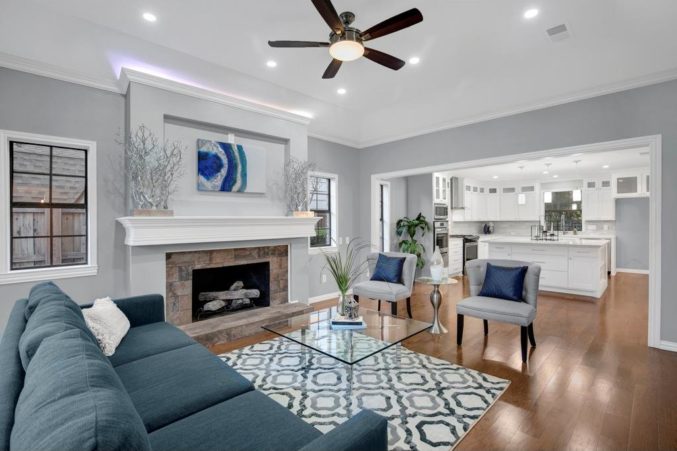
In today’s competitive real estate market, home buyers often make up their minds within minutes of stepping inside a property. That’s why staging a home for sale is one of the most effective ways to ensure that your home stands out, captivates buyers, and ultimately sells for the best possible price.
Staging a home is not just about cleaning up or making it look pretty; it's about creating a space where potential buyers can imagine themselves living. It’s about highlighting your home’s best features and minimizing any flaws that could scare off buyers. If you’re looking to sell your home quickly and for top dollar, staging can be a game-changer.
In this blog post, we’ll explore why home staging is so important, provide a step-by-step guide on how to stage your home effectively, and share tips on common staging mistakes to avoid. Let’s dive in!
Why Staging Your Home Is Essential
Staging is one of the most effective tools in a seller's arsenal. It helps create an inviting, neutral space that allows buyers to envision themselves living in the home. Here are a few reasons why staging is so important:
-
Increased Appeal: Homes that are staged are often more visually appealing. Buyers are drawn to homes that are clean, organized, and move-in ready.
-
Higher Sale Price: Studies show that staged homes can sell for higher prices than non-staged homes. According to the National Association of Realtors (NAR), staged homes sell for 17% more on average than those that aren’t staged.
-
Faster Sale: Staged homes typically sell faster than those that are left unstyled. A well-presented home can attract more buyers and help close the deal quicker.
-
Help with Visualization: Staging allows buyers to better visualize how the space can be used, especially if the home is large or has an unusual layout. This can be especially helpful for buyers who are unsure of how they’ll use the space.
Step-by-Step Guide to Staging Your Home for Sale
Staging your home doesn’t need to be overwhelming. With some strategic planning and effort, you can transform your space into a buyer-friendly environment. Here’s a step-by-step guide to help you stage your home for success.
Step 1: Clean and Declutter
Before you can stage your home, you need to clean and declutter every room. Buyers are drawn to spaces that feel fresh, airy, and organized. Clutter can make your home feel cramped and less inviting, so it’s important to clear away excess items.
-
Deep Clean: Clean carpets, wipe down surfaces, dust furniture, wash windows, and scrub bathrooms. A deep clean will make your home feel more polished and well-maintained.
-
Declutter: Remove personal items like family photos, knick-knacks, and excessive decorations. The goal is to create a neutral space where buyers can easily imagine their own belongings in the home.
-
Storage Spaces: Don’t forget to clean closets and storage spaces. Buyers often look inside these areas, and an organized, spacious closet can give the impression that your home offers ample storage.
Step 2: Make Repairs
Staging your home isn’t just about aesthetics—it’s also about ensuring that everything in your home works properly. If there are any minor repairs that need to be done, now is the time to fix them. Small issues, such as leaky faucets or broken light fixtures, can make buyers question the condition of the home.
-
Touch up Walls: Repaint chipped or damaged walls in neutral colors. A fresh coat of paint can brighten up a room and make it feel more inviting.
-
Fix Plumbing: Address any plumbing issues, such as leaky faucets or running toilets.
-
Check Light Fixtures: Ensure all light fixtures are working and replace any bulbs that are burned out.
-
Repair Small Damages: Fix holes in the walls, replace damaged baseboards, and make sure doors and windows open and close smoothly.
Step 3: Focus on Curb Appeal
Curb appeal is the first impression buyers have of your home, so it’s essential to make sure the exterior is inviting and well-maintained. An attractive exterior can create a sense of warmth and appeal that will draw buyers inside.
-
Lawn Care: Keep the lawn well-manicured and tidy. Trim bushes and mow the grass regularly.
-
Front Door: Paint or clean the front door. Consider adding a fresh doormat, a wreath, or some decorative elements to create a welcoming entrance.
-
Outdoor Lighting: Ensure your exterior lighting is working and adds to the ambiance of your home.
-
Clean Driveways and Walkways: Sweep and clean the driveway and any walkways leading to the front door.
Step 4: Highlight Key Features
Every home has unique features that can be a selling point. Whether it’s a large backyard, a spacious kitchen, or stunning hardwood floors, you should highlight these features during the staging process.
-
Arranging Furniture: Arrange furniture in a way that maximizes the space and highlights the best features of each room. For example, place a couch facing a fireplace or ensure that large windows are unobstructed to showcase natural light.
-
Add Decor to Key Areas: Add strategically placed accessories such as artwork, plants, or decorative cushions to make the home feel more vibrant and welcoming.
-
Create Focal Points: Use décor to draw attention to desirable features such as a beautiful staircase, fireplace, or large windows with scenic views.
Step 5: Stage Each Room
Each room in the house has a different function, and staging should reflect that. The way you stage the living room will be different from the way you stage the bedrooms or kitchen. Let’s break down how to stage each room:
-
Living Room: Arrange furniture to create a conversation area, focusing on the room’s focal point (like a fireplace or TV). Add decorative pillows, throws, and lamps to make the room feel cozy.
-
Kitchen: Clear the countertops of clutter and leave only a few decorative items. Place a bowl of fruit or flowers in the center of the table for a pop of color.
-
Bedrooms: Make the beds look inviting with fresh linens and accent pillows. Use neutral bedding and add soft lighting to create a calm and relaxing atmosphere.
-
Bathrooms: Clean the bathrooms thoroughly and replace old towels with fresh, fluffy ones. Add small touches like a new shower curtain or a few decorative items to make the space feel luxurious.
-
Home Office: If you have a home office, make it look functional but not too cluttered. Add minimal décor, such as a potted plant, to make the space look appealing.
Step 6: Use Lighting Strategically
Lighting plays a huge role in how a space is perceived. Proper lighting can make rooms feel larger, brighter, and more inviting.
-
Natural Light: Open all curtains and blinds to let in natural light. Bright, airy spaces are more appealing to buyers.
-
Layered Lighting: Use a combination of overhead, task, and accent lighting to create a warm and inviting atmosphere. A well-lit room can help highlight the best features of your home.
-
Dimmer Switches: If possible, install dimmer switches to control the ambiance and create a more elegant atmosphere.
Common Staging Mistakes to Avoid
While staging your home, it’s important to avoid common mistakes that can detract from your home’s appeal:
-
Overcrowding Rooms with Furniture: Too much furniture can make a room feel cramped. Keep things simple and use just enough furniture to showcase the room’s purpose.
-
Using Too Many Personal Items: Buyers want to envision their own lives in the home. Too many personal items or family photos can make it harder for them to imagine themselves living there.
-
Neglecting the Small Details: Don’t forget about the little touches that can make a big difference. Small details, like fresh flowers or stylish accents, can elevate the feel of a room.
-
Ignoring the Outside Space: Many buyers look for homes with great outdoor spaces. Don’t neglect the backyard, patio, or balcony – make sure these areas are as inviting as the interior.
Staging a home for sale is one of the most important steps in the selling process. With the right preparation and effort, staging can help your home stand out, attract more buyers, and ultimately sell for a higher price. From decluttering and making repairs to highlighting key features and focusing on curb appeal, every detail counts when it comes to creating an inviting, buyer-friendly space.
If you need expert help staging your home or want advice on how to get your property ready for sale, don’t hesitate to reach out to Morton's Realty. Staging your home may take some time and effort, but the results will be well worth it when you see that “Sold” sign in front of your house.