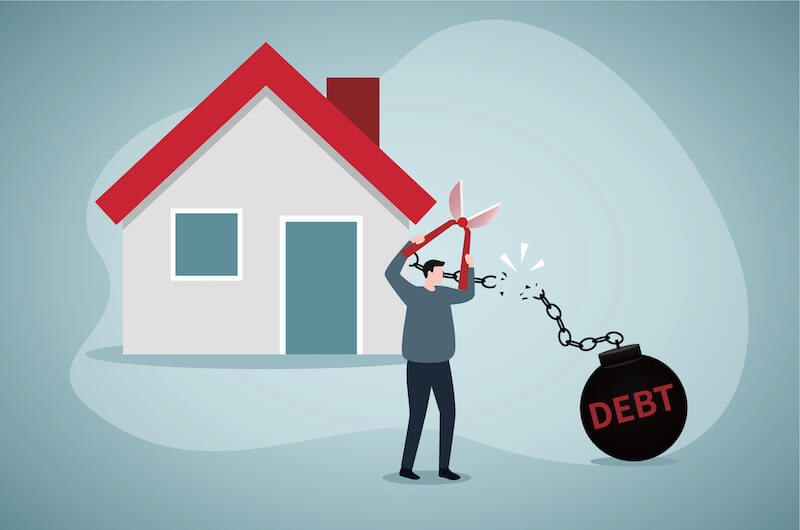
For many homeowners, paying off a mortgage early is a major financial goal—and for good reason. Eliminating that monthly payment can provide peace of mind, increase equity, and open the door to greater financial freedom. But is it always the right move? And if so, how can you do it smartly and efficiently?
At Morton’s Realty, we know your home is more than just a place to live—it’s an investment in your future. That’s why we’re sharing expert-backed strategies to help you pay off your mortgage faster, whether you're a new homeowner in Greenwood, SC or a seasoned property investor looking to build wealth.
Why Pay Off Your Mortgage Early?
Before diving into the how, it’s important to understand the benefits of early mortgage payoff:
-
Save on Interest: You could save thousands—or tens of thousands—of dollars in interest over the life of your loan.
-
Financial Freedom: No more monthly mortgage payments means more money for retirement, travel, or other investments.
-
Build Equity Faster: Paying down your principal early helps you build home equity at a faster rate.
-
Peace of Mind: Owning your home outright offers long-term security, especially in uncertain economic times.
Of course, there are situations where it might make sense to invest extra funds elsewhere instead of putting them toward your mortgage (e.g., higher-yield investments). But if your priority is debt-free homeownership, these tips will help you get there faster.
1. Make Biweekly Payments Instead of Monthly
One of the simplest ways to shave years off your loan is by switching from monthly to biweekly payments.
How it works:
You make half your monthly payment every two weeks. Because there are 52 weeks in a year, that adds up to 26 half-payments—or 13 full payments a year instead of 12.
Result: You’ll pay off your mortgage faster and save significantly in interest without feeling a huge financial strain.
2. Round Up Your Payments
This small step can make a big difference over time. For example, if your monthly mortgage is $1,426, consider rounding it up to $1,500 or even $1,600. That extra $74–$174 goes straight toward your principal.
Why it works:
Every extra dollar reduces the balance you owe and the interest you’ll pay over time. You’ll hardly notice the difference each month—but your loan term will.
3. Make One Extra Payment Each Year
One extra payment per year—either as a lump sum or broken into smaller contributions—can drastically reduce your mortgage term.
Tip:
Use your tax refund, bonus, or holiday gift money to fund this extra payment. Just make sure it’s applied directly to the principal, not interest.
4. Refinance to a Shorter Term
If you’re financially stable and want to become mortgage-free sooner, refinancing to a 15- or 20-year mortgage instead of the typical 30-year loan could be a smart move.
Pros:
-
Lower interest rates than 30-year loans
-
Builds equity faster
-
Shortens loan term
Cons:
-
Monthly payments are higher
Talk to a lender or mortgage broker to evaluate whether your current interest rate and financial situation make refinancing a wise decision.
5. Apply Windfalls Toward Principal
Whether it's an inheritance, stimulus check, or a work bonus, using unexpected funds to pay down your mortgage is one of the fastest ways to build equity and reduce your term.
Even $1,000–$2,000 a year can have a huge impact over time if applied to the principal. The key is consistency.
6. Avoid Private Mortgage Insurance (PMI)
If you purchased your home with less than 20% down, you may be paying PMI—a monthly cost that doesn’t go toward your principal.
How to eliminate PMI early:
-
Make extra payments to reach 20% equity quickly
-
Reappraise your home if its value has significantly increased
Removing PMI can free up hundreds per month that can be redirected to your principal.
7. Automate Your Extra Payments
Set up automatic payments through your bank to make an additional principal payment each month. Automation ensures you stick to your plan—even during busy or financially uncertain times.
You can also set payment reminders if you prefer more control each month.
8. Stay on Top of Your Budget
The most successful early mortgage payoff strategies are built on solid budgeting. Use tools like Mint, YNAB, or even a simple spreadsheet to:
-
Track spending
-
Identify areas to cut back
-
Allocate surplus income toward your mortgage
At Morton’s Realty, we always remind our clients: You don’t need to make huge sacrifices—just consistent, intentional decisions.
9. Check for Prepayment Penalties
Before making extra payments, make sure your mortgage doesn’t include prepayment penalties. Some lenders charge a fee if you pay off your loan too quickly.
What to do:
Call your lender or review your mortgage documents to ensure that your extra payments go directly to your principal and won’t trigger penalties.
10. Re-Evaluate Your Strategy Annually
Your income, expenses, and financial goals may change over time. Revisit your mortgage payoff plan each year to adjust for life changes, market conditions, or interest rate shifts.
This annual review ensures you stay on track—or even accelerate—your path to mortgage freedom.
Should You Pay Off Your Mortgage Early?
While early payoff is a great goal, it’s important to ask:
-
Do I have higher-interest debt (like credit cards) that should be paid off first?
-
Do I have emergency savings (3–6 months of expenses)?
-
Am I maxing out retirement contributions or investing wisely?
If your financial foundation is strong, then paying down your mortgage early can be a smart, strategic move.
Final Thoughts from Morton’s Realty
At Morton’s Realty, we believe homeownership is one of the most powerful wealth-building tools available. Whether you’re a first-time buyer in Greenwood, SC, or planning your retirement strategy, paying off your mortgage early can give you flexibility and peace of mind.
Want more personalized advice or local mortgage recommendations? Contact our experienced team today—we’re happy to help you plan a path toward financial freedom through real estate.